Table of Contents
Weight loss is often presented as a simple equation: eat less, move more. While this idea is technically true, it rarely works in real life, especially for busy adults.
Most people already understand the basics of healthy eating. They know vegetables are important, protein helps with fullness, and late-night eating can slow progress. Yet despite having this knowledge, they struggle to maintain consistency.
The real challenge is not information. It is execution.
You begin with strong intentions. You follow a plan for a few days, sometimes even a few weeks. Then life gradually interrupts. Work becomes more demanding. Sleep gets shorter. Stress builds. Family responsibilities increase. Slowly, the routine you started begins to fade.
Eventually, it collapses.
This cycle is not only common; it is predictable. And if you have experienced it repeatedly, it is easy to assume the problem is your willpower.
It is not.
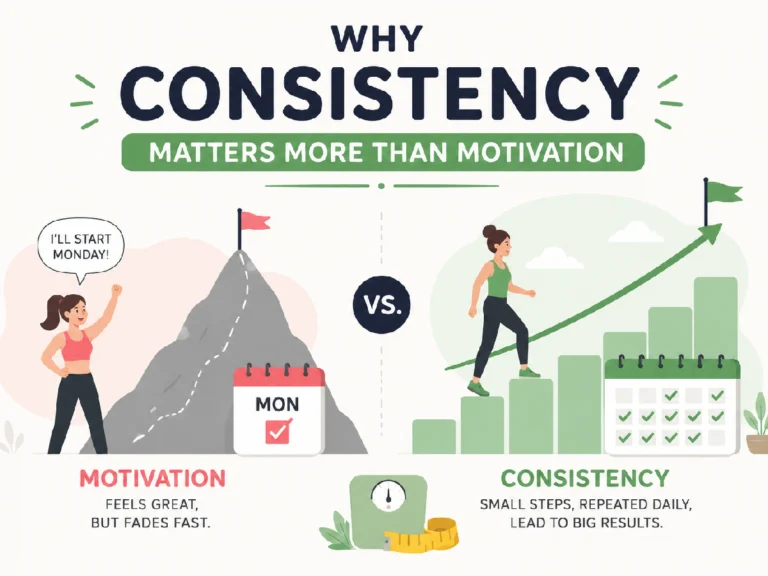
The real issue is that most weight loss strategies depend too heavily on motivation, which is inherently unstable. Sustainable progress does not come from motivation. It comes from habits.
This guide will help you understand how to build those habits in a way that fits into a busy, unpredictable lifestyle.
Many adults become frustrated because they already understand what “healthy” means but still struggle to follow through consistently. The modern lifestyle creates constant pressure, limited time, and mental exhaustion, all of which make long-term consistency harder than most advice suggests. Sustainable weight loss becomes more realistic when the focus shifts away from perfection and toward creating repeatable systems that fit into everyday life. The goal is not to follow extreme routines temporarily, but to develop behaviors that continue working even during stressful periods and busy schedules.
Why Weight Loss Fails Without Habit Change
Many weight loss efforts begin with a surge of motivation. You have a sudden realization or sense of urgency, and you decide to change. You promise to eat healthier, exercise regularly, and be more disciplined.
At first, this works.
You feel focused. You follow the plan. You see small results, which reinforce your effort.
But motivation does not last.
Your motivation can change based on things you can’t always control, like how well you sleep, your stress levels, work demands, your emotions, and social obligations. When these pressures rise, your motivation usually drops.
When motivation drops, effort becomes harder. When effort becomes harder, consistency breaks. When consistency breaks, progress slows. And when progress slows, motivation drops even further.
This creates a cycle that feels like failure, but it is actually a natural human response.
Sustainable weight loss requires behaviors that continue even when you do not feel motivated. This is why habit formation is essential.
Habits reduce the need for constant decision-making because behaviors eventually become more automatic. Instead of relying on emotional energy every day, healthy routines begin operating with less mental effort. This is especially important for busy adults who already spend much of the day making decisions and managing stress.
Without habit formation, weight loss often becomes emotionally exhausting because every healthy action requires motivation and discipline repeatedly. Long-term success usually happens when supportive behaviors become part of normal life instead of temporary effort.
Understanding What A Habit Really Is
A habit is not just a repeated action. It is a behavior that has become automatic. When something is a habit, you do not debate it. You do not rely on motivation. You do not negotiate with yourself.
You simply do it.
Think about brushing your teeth. You do not wake up each morning and decide whether or not you feel like doing it. It happens because it’s something you do every day.
The same principle applies to weight loss.
When supportive behaviors, like eating balanced meals, staying active, or maintaining consistent eating times, become habitual, they no longer require constant effort. They become part of your normal life.
This is the turning point where weight loss stops feeling like a struggle and starts feeling sustainable.
Habits are powerful because they reduce mental resistance. Once behaviors become familiar and routine, they require less emotional energy to continue. This makes healthy choices easier during stressful periods when motivation is low.
Examples of supportive habits may include:
- Eating breakfast regularly
- Drinking water throughout the day
- Taking short walks after meals
- Preparing meals ahead of time
- Maintaining consistent sleep schedules
These actions may appear small individually, but repeated consistently over time, they create meaningful long-term change.
The Critical Difference Between Motivation And Structure
Motivation is emotional. It depends on how you feel in a given moment. Structure is behavioral. It depends on what you consistently do.
This distinction is especially important for busy adults.
Life does not operate on a predictable schedule. Some days are manageable, while others are overwhelming. If your health habits depend on feeling motivated, they will collapse during stressful or demanding periods.
Structure, on the other hand, provides stability.
When you have a structured approach, your behavior is guided by routine rather than emotion. You do not ask yourself whether you feel like making a better choice. You follow the pattern you have already established.
This reduces mental effort and increases consistency, which is ultimately what drives results.
Structured routines remove uncertainty and reduce the number of difficult decisions required throughout the day. Instead of constantly negotiating with yourself about food, exercise, or sleep, routines create predictable patterns that simplify healthy behavior.
Helpful examples of structure may include:
- Planned meal times
- Repeatable breakfasts
- Scheduled walking routines
- Consistent grocery shopping habits
- Simple evening routines
Structure does not need to feel rigid. Its purpose is to make healthy behaviors easier and more repeatable within real-life schedules.
Decision Fatigue: Why Evenings Are The Hardest
One of the most overlooked barriers to weight loss is decision fatigue. Throughout the day, you are constantly making decisions. Some are small, like what to wear or what to respond to in an email. Others are more complex, involving work, family, and responsibilities.
Each decision consumes mental energy.
By the time evening arrives, that energy is significantly reduced. This is why it becomes harder to make intentional choices around food, movement, and routines later in the day.
You are not weaker at night. You are simply mentally exhausted.
This is also why many people find themselves overeating, snacking excessively, or abandoning their plans in the evening.
The solution is not more discipline. It is fewer decisions.
When your meals, routines, and habits are simplified and somewhat predictable, you reduce the number of decisions you need to make. This preserves mental energy and makes consistency easier.
Decision fatigue affects nearly everyone, especially adults balancing work, family, and daily responsibilities. As mental exhaustion increases, the brain naturally searches for convenience and comfort instead of effort-intensive choices.
Common evening behaviors linked to decision fatigue include:
- Ordering takeout
- Eating highly processed snacks
- Skipping planned workouts
- Eating emotionally
- Staying up too late
Reducing unnecessary decisions helps protect consistency because healthy habits become easier to follow automatically rather than through constant self-control.
Why Most Weight Loss Advice Fails Busy Adults
A large portion of weight loss advice is built around ideal conditions. It assumes that you have time to cook often, keep a regular schedule, sleep well, and handle stress effectively. It often includes detailed plans, complex meal structures, and time-consuming routines.
Most adults do not experience this situation.
In the United States, many people balance demanding jobs, long commutes, family responsibilities, and unpredictable schedules. Under these conditions, complex systems are difficult to maintain.
What works instead is simplicity. Your system must fit into your life, not compete with it.
It should be easy to repeat, flexible enough to adapt, and forgiving enough to handle imperfect days. If your plan requires perfection, it will not survive long enough to produce results.
Many online fitness routines look effective because they are performed under highly controlled conditions. Real life, however, includes stress, travel, exhaustion, family obligations, and unpredictable schedules. Sustainable habits must be flexible enough to survive these realities.
Effective systems for busy adults are usually:
- Simple
- Flexible
- Easy to repeat
- Realistic during stress
- Adaptable to imperfect days
When healthy habits fit naturally into daily life, consistency becomes much easier to maintain long term.
The Role Of Identity In Long-Term Behavior Change
One of the most powerful yet overlooked aspects of weight loss is identity. Most people focus on what they should do. Fewer people consider who they need to become.
This shift changes everything.
Instead of asking, “What should I do to lose weight?” a more effective question is, “What would a healthy version of me typically do in this situation?”
Your behaviors tend to align with your self-perception.
If you see yourself as someone who struggles with consistency, you are more likely to repeat that pattern. If you think of yourself as someone who can change and keep going, you will start to act like that.
Our habits help make us who we are, and who we are affects our habits. Over time, this helps make good changes that last.
Identity-based change is powerful because it focuses on long-term behavior rather than temporary effort. When healthy actions become connected to your self-image, consistency often improves naturally.
Examples of identity-focused thinking may include:
- “I am someone who takes care of my health.”
- “I am someone who returns to routines quickly.”
- “I am someone who stays active regularly.”
These beliefs gradually influence everyday decisions and strengthen long-term consistency.
Why Starting Small Leads To Bigger Results
A common mistake in weight loss is trying to change too much at once. When you’re really excited to make changes, you might want to change your food, exercise, sleep, and daily habits all at once. This can be overwhelming and make you feel stressed.
The more changes you attempt simultaneously, the harder it becomes to sustain them.
Starting small may feel slow, but it is far more effective.
Small changes are easier to maintain, and they build confidence through consistent success. Over time, these small actions compound into meaningful results.
For example, consistently adding protein to your breakfast or walking for a short period each day may not seem significant initially. However, when these behaviors are repeated over weeks and months, they create measurable progress.
Sustainability always outperforms intensity.
Small habits reduce mental resistance because they feel achievable even during stressful or busy periods. This makes consistency much more realistic for adults managing demanding schedules.
Helpful examples of small starting points include:
- Drinking more water
- Walking for 10 minutes daily
- Eating balanced breakfasts
- Sleeping slightly earlier
- Preparing one healthy meal daily
These habits may seem minor initially, but repeated consistently, they often create long-term lifestyle improvements.
Why Intensity Often Backfires
Some people like extreme methods because they say you can get results fast. You may restrict calories aggressively, eliminate entire food groups, or commit to intense daily workouts. In the short term, this can produce visible changes.
However, intensity is difficult to maintain.
As life becomes more demanding, these systems begin to break down. When they do, it often leads to frustration and a sense of failure. This is not because the approach was ineffective. It was unsustainable. Consistent and moderate habits are much more reliable.
Health organizations like the Centers for Disease Control and Prevention suggest that losing weight slowly and steadily is more effective and easier to maintain in the long run.
Extreme systems often fail because they require too much physical, emotional, and mental energy. Busy adults may maintain them briefly, but stress and exhaustion usually make them difficult to continue consistently.
Common problems with extreme approaches include:
- Increased cravings
- Burnout
- Emotional overeating
- Social restriction
- Mental exhaustion
Moderate and flexible systems usually create better long-term adherence because they fit more realistically into daily life.
How Your Environment Shapes Your Behavior
Your environment plays a larger role in your behavior than you might realize. You are more likely to choose what is convenient, visible, and easily accessible. Your surroundings can help you or make it harder to reach your goals.
If you can see junk food, you might want to eat it. But if healthy food is easy to get, you will pick that instead.
This is not about willpower. It is about design.
By making small adjustments to your environment, you reduce the effort required to make better choices. This makes it easier and more natural to be consistent.
Environmental design works because people naturally choose the easiest available option during busy or stressful moments. Changing your surroundings can quietly influence daily behaviors without requiring constant self-control.
Helpful environmental changes may include:
- Keeping healthy snacks visible
- Preparing meals ahead of time
- Reducing easy access to junk food
- Keeping water easily available
- Creating a consistent eating space
Small environmental adjustments often make healthy decisions feel easier and more automatic.
The Importance Of A Weekly Reset
Even the most structured routines can drift over time.
Busy schedules, unexpected events, and changing priorities can gradually pull you away from your habits. Without intervention, these small shifts can accumulate into larger setbacks.
A weekly reset helps prevent this. It is not about starting over. It is about realigning.
Look at your schedule, plan easy meals, and make simple food. This can help you feel more organized. This keeps your system functional, even during busy periods.
Weekly resets create awareness and help maintain structure before routines completely fall apart. This process supports consistency because it allows small adjustments before problems become overwhelming.
A weekly reset may include:
- Grocery planning
- Meal preparation
- Reviewing schedules
- Planning workouts
- Organizing healthy snacks
These simple actions help reduce stress and improve consistency during busy weeks.
Why Evenings Determine Your Next Day
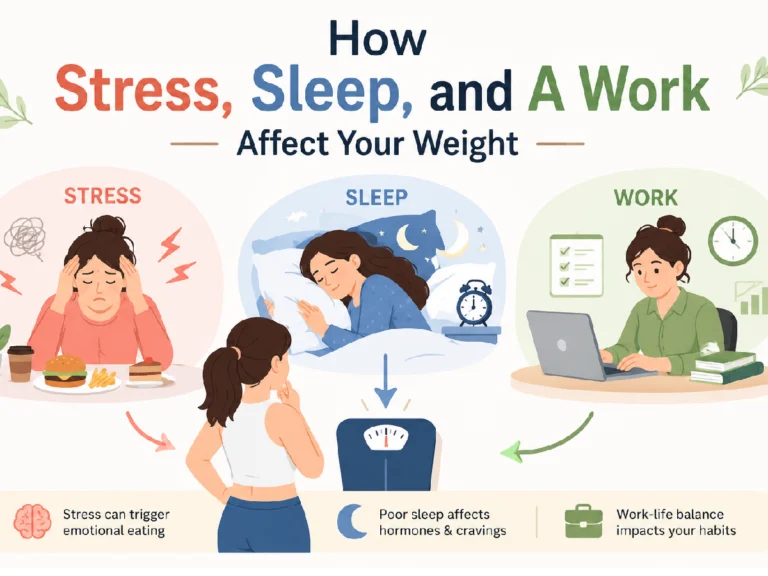
Evenings have a significant impact on your overall consistency. Late-night eating, excessive screen time, and poor sleep can disrupt hunger signals and reduce your ability to make intentional choices the next day.
Hormonal changes related to sleep deprivation can increase appetite and cravings, particularly for high-calorie foods.
This is why improving your evening routine can have a powerful effect on your weight loss efforts. It does not require strict rules. It requires awareness and consistency.
Evening habits often influence energy, hunger, and motivation the following day. Poor sleep and chaotic nighttime routines may increase cravings and reduce decision-making ability during the next morning.
Helpful evening habits may include:
- Limiting late-night snacking
- Reducing screen time before bed
- Sleeping at consistent times
- Preparing meals for the next day
Simple evening improvements can significantly support overall consistency and recovery.
Staying Consistent During Stressful Periods
Stress is inevitable, but it does not need to derail your progress. There are lots of individuals who react to stress by giving up all their habits. This generates a lack of consistency and reduces progress on a long-term basis.
An even better way is to change your expectations.
When stressed, we should be concentrating on the fundamentals and not perfection. Regular eating, light exercise, and as much rest as possible can make you stable.
This technique will maintain momentum and help to avoid setbacks.
Stressful periods require flexibility rather than extreme discipline. Trying to maintain perfect routines during highly demanding times often creates burnout and frustration.
During stressful weeks, maintaining simple habits such as:
- Eating regular meals
- Walking consistently
- Sleeping adequately
- Staying hydrated
may already represent meaningful progress. Protecting basic routines helps maintain momentum and prevents long-term setbacks.
Breaking The All-Or-Nothing Cycle
Among the most prevalent patterns of weight loss is the all-or-nothing thinking. It often sounds like this: if one meal is not perfect, the entire day is considered lost. If one week is disrupted, the plan is abandoned altogether.
This mindset creates repeated cycles of starting and stopping.
The other one is adjustment.
Rather than looking at setbacks as failures, consider them as short-term setbacks. Coming back to routine at the earliest involves consistency and reduces the impact of imperfection.
All-or-nothing thinking increases emotional pressure and makes small mistakes feel much larger than they actually are. Sustainable progress usually depends more on recovery than perfection.
Helpful mindset shifts may include:
- Viewing setbacks as temporary
- Returning to routines quickly
- Avoiding guilt-driven restriction
- Focusing on long-term patterns
This flexible approach often improves consistency and reduces emotional burnout around weight loss.
Looking Beyond The Scale
The scale is not the only measure of progress; it is a handy tool. Water retention, sodium intake, and hormonal changes are some of the factors that may cause a change in body weight. This may complicate interpreting short-term changes.
Other indicators can be used to give a clear picture of the progress.
The fact that you are eating better, sleeping better, feeling better, and eating more regularly are all indicators that your habits are working.
By emphasizing these changes, you can remain motivated and have a more realistic picture of your progress.
Scale fluctuations are normal and do not always reflect fat gain or fat loss accurately. Focusing only on weight numbers can create unnecessary frustration and emotional reactions.
Meaningful progress may also include:
- Improved energy levels
- Better eating consistency
- Reduced cravings
- Improved sleep quality
- Better mood and confidence
These changes often indicate that healthy habits are becoming more stable and sustainable over time.
The Power Of Compounding Habits
Small habits may seem insignificant in isolation, but their impact grows over time. Excessive weight can be lost in a small amount of calories per day. A daily walk that is short can enhance cardiovascular functions and improve energy levels.
These changes are not dramatic, but they are consistent. Consistency brings results in the long run. This is the law of compounding. Simple things that are done on a regular basis yield results.
Compounding habits work because repeated small actions gradually create larger changes. The improvements may feel slow initially, but over months and years they often become highly meaningful.
Examples of compounding behaviors include:
- Daily movement
- Balanced eating habits
- Better sleep routines
- Improved meal consistency
Long-term progress usually comes from repeated manageable actions rather than dramatic short-term effort.
Building Habits That Fit Your Life
The best habits are the ones that fit so well into your current habits. When the behavior is related to something that you already do, then it becomes simpler to keep. This reduces friction and increases consistency.
As an example, having a post-dinner walk or having a drink after waking up can be a natural addition to your everyday life.
The goal is not to add complexity. It is to create alignment.
Habits are easier to maintain when they connect naturally with existing routines. This process, often called habit stacking, reduces mental effort and increases consistency.
Helpful examples include:
- Walking after dinner
- Drinking water after waking up
- Preparing lunch while making breakfast
- Stretching before bedtime
These simple connections make healthy behaviors feel more natural and easier to repeat daily.
Embracing Imperfection For Long-Term Success
There is no flawless system. You will have days when you are not in your routine, meals are not as organized, and you lack motivation. This is a natural aspect of life.
The difference between short-term and long-term success is not perfection. It is consistency over time.
Successful people are not those who do not make mistakes. They are those who recover quickly and continue moving forward.
Perfection-based thinking often creates unnecessary guilt and frustration. Long-term success usually depends more on flexibility and recovery than avoiding mistakes completely.
Healthy routines become more sustainable when setbacks are treated as normal parts of life rather than personal failures.
Conclusion: Building A System That Lasts
Sustainable weight loss does not mean doing everything right. It is concerned with doing what is right at all times. To busy adults, it is about developing a system that can fit into real life.
It is the use of structure over motivation, creating your environment to help you achieve your goals, and making sure you look at small, repeatable actions.
It might seem like progress is slow, but it will be steady. And gradual improvement is what brings about permanent outcomes.
When you are willing to start, then start simple. Choose one habit. Build consistency. Adjust when needed. Those little steps will eventually create a system that will work, not only in the short run, but long-term.
Sustainable fat loss becomes easier when healthy habits feel realistic, flexible, and repeatable within everyday life. Busy adults do not need perfect routines or constant motivation. They need systems that continue working during stressful schedules, low-energy days, and imperfect weeks.
Long-term success is usually built through small consistent behaviors that gradually become part of normal life. Over time, these habits create meaningful results that are much easier to maintain than extreme short-term efforts.