Table of Contents
Motivation can be the turning point in a weight loss process. It gives you that moment of deciding that things are going to be different; when you make that determination to eat better, move more, and take charge of your health. At this stage, anything is possible since your energy and intent are in one direction.
But the difficulty sets in when the motivation goes, which it must go. With the day-to-day life turning hectic, sleep is disturbed or movement slows down, that original energy starts to wane away. This is where they fail mainly because most people do not lack discipline, but this is the point where they rely too much on a feeling that is not always consistent.
The actual change comes when you realize that motivation is just the beginning of the process, and consistency is what will drive you. Vital weight loss is not created by short-term bursts of energy, but doing what can be done even when you are not feeling your best.
Many busy adults expect themselves to feel motivated every day, but motivation naturally changes depending on stress, energy, workload, and emotions. This is why healthy routines often feel easier during some weeks and much harder during others. Sustainable fat loss usually depends less on emotional intensity and more on repeatable behaviors that fit into everyday life. When healthy habits become simpler and more automatic, they continue even during difficult periods. This is what makes consistency more reliable than temporary bursts of motivation.
Motivation Is Temporary, But Behaviour Can Be Stable
Motivation is an emotional state, and as all the emotions, motivation varies constantly according to the inner and outer circumstances. There are days when you are concentrated and strong-willed and there are days when even the easiest things can be overwelming. Stress, work load, sleep quality and personal responsibilities are some of the factors affecting these fluctuations.
Feeling motivated makes your whole plan weak. When your energy goes away, so does the power to persevere. This gives you a trend of performing well initially and finding it difficult to continue on the trend as you go.
The better way is to develop behaviors that are not dependent on your feeling at the moment. Rather than wondering whether you are highly motivated, the question arises as to what you can repeat on a regular basis.
Motivation is useful for starting change, but it is not reliable enough to sustain long-term habits by itself. Emotional energy naturally rises and falls throughout the week. Busy schedules, stress, lack of sleep, and unexpected responsibilities can quickly lower enthusiasm and make healthy decisions feel harder.
This is why routines and systems become more valuable than feelings. Stable behaviors continue even when emotions change. Healthy habits become easier to maintain when they require less decision-making and less emotional effort. Over time, repeated behaviors create stronger routines, and those routines eventually feel more natural and automatic than relying on motivation alone.
Why Busy Adults Lose Motivation More Quickly
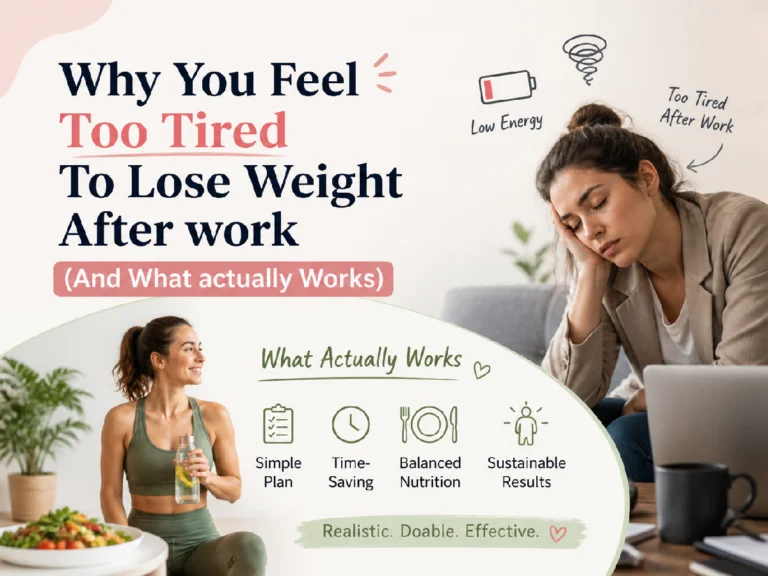
Busy adults often experience mental exhaustion long before the day ends. Work responsibilities, constant decision-making, family obligations, and stress slowly drain mental energy throughout the day. Because of this, motivation tends to disappear much faster than people expect.
Many adults blame themselves for losing discipline, but the issue is usually fatigue rather than laziness. The brain naturally prefers comfort and convenience when energy becomes low. This is why healthy routines often feel manageable in the morning but difficult during the evening.
Weight loss plans that depend heavily on willpower become difficult to maintain under these conditions. A more sustainable approach is creating simple routines that continue to work even when energy and motivation are reduced.
Fatigue Of The Mind Changes The Decision-Making Patterns
As the day goes on, your brain is exhausted with the continuous decision-making. It is natural that by the evening, it seeks out options that are easy and familiar as opposed to those which require effort or planning. That is why most individuals tend to make better decisions in the morning but fail in the afternoon.
At low energy, the brain is more interested in:
- Quick and convenient food options
- Comfort-driven eating habits
- Skipping planned routines
These decisions are not a failure of discipline, it is a biological reaction to exhaustion.
Decision fatigue is a recognized psychological pattern where repeated choices gradually reduce mental energy. By the evening, the brain naturally looks for easier and more rewarding options because it is trying to conserve effort.
This helps explain why many people:
- Order takeout after work
- Skip planned workouts
- Snack impulsively
- Avoid cooking balanced meals
Understanding this pattern is important because it removes unnecessary guilt and encourages more realistic planning around low-energy periods.
Stress And Routine Pressure Reduce Consistency
Busy schedules do not provide a lot of time to plan perfectly. Even the best-planned routines can be disrupted by unexpected work demands, family issues and emotional stress. Plans that are too inflexible are easily break apart.
A lack of motivation occurs when the outcome is not immediate.
The process of weight loss is not very fast, and most individuals anticipate quick results. Delays in results also reduce motivation, which results in frustration and lack of consistency.
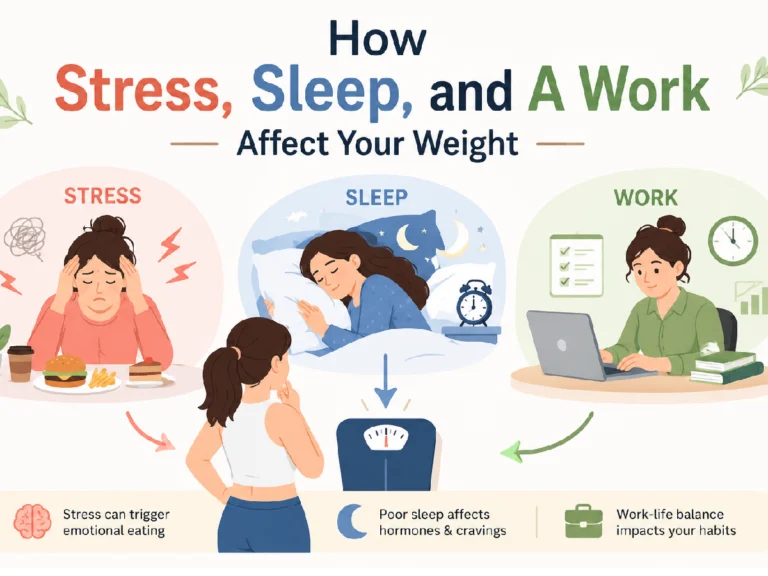
Stress changes the way people think about food, movement, and routines. When responsibilities increase, healthy habits often feel harder to prioritize because mental energy becomes limited.
Highly strict plans usually fail under stress because they leave little room for flexibility. Sustainable systems work better because they can adapt to:
- Busy workdays
- Travel
- Family obligations
- Low-energy evenings
- Unexpected schedule changes
Long-term consistency is usually easier when healthy habits fit realistically into daily life instead of requiring perfect conditions.
Consistency Creates Progress Without Emotional Dependence
Consistency is not the same as motivation since it is not based on emotional energy. It is concerned with repetition of simple actions, even when it seems that the effort is minimal.
Unlike the perfect days, consistency considers keeping the momentum up by doing manageable things.
The examples of the consistent behaviors are:
- Choosing balanced meals instead of skipping or overeating
- Eating until comfortably satisfied rather than completely full
- Making short walks to keep active on hectic days.
- Having a consistent sleep schedule as much as possible.
Such steps might not look big, yet when done on a daily basis, they will produce a significant change in the long run. The power of consistency is that it does not need one to work hard all the time and operate in the background.
Small repeated behaviors are often more powerful than short periods of extreme effort. Healthy habits gradually shape routines, appetite patterns, and lifestyle behaviors over time. Consistency also reduces pressure because success no longer depends on feeling highly motivated every day.
This approach is especially useful for busy adults because it allows progress to continue during stressful periods instead of stopping completely. Sustainable fat loss usually happens through repeated manageable actions rather than dramatic temporary changes.
The Common Mistake: Waiting For The Right Time
Many people believe they need ideal circumstances before starting healthy habits. They wait for a less stressful week, a new month, more motivation, or extra free time. While this feels logical, it often creates endless delays.
Life rarely becomes perfectly calm or predictable. There will almost always be stress, work responsibilities, family obligations, or unexpected problems. Waiting for ideal conditions can postpone progress for months or even years.
Sustainable change usually begins during imperfect situations. Learning how to maintain small healthy actions during stressful periods is often more valuable than following perfect routines for only short periods of time.
Why “Starting Later” Delays Progress
Numerous individuals think that they require the ideal time to start. They are awaiting a less stressful week, a new month, or a motivational rush. This might be logical but in most cases it creates delays that recur.
Life will seldom be fully stable and the waiting to get everything perfect will continue to move the starting point further.
Perfection-based thinking often creates unnecessary pressure because it assumes progress only counts under ideal circumstances.
In reality, meaningful progress usually starts with:
- Small routines
- Simple meal improvements
- Short walks
- Better sleep habits
- Basic consistency
These manageable actions are often easier to sustain than dramatic lifestyle changes.
Consistency Begins In Imperfect Situations
The best way is to begin with what one can handle at the moment. The smallest of steps taken when circumstances are not perfect will create momentum and simplify the next actions.
Starting small often feels less overwhelming and more realistic. Tiny improvements repeated consistently create momentum and gradually build confidence over time.
Examples may include:
- Drinking more water
- Walking for 10 minutes
- Eating balanced breakfasts
- Preparing one healthy meal daily
These small actions may appear minor initially, but repeated regularly, they help establish routines that become easier to maintain long term.
Why Little Things Work Better Than Big Things
It is a common belief that larger efforts achieve quicker outcomes. Although that could be the case in the short run, it is rarely realistic among the busy adults who have to multitask.
Small steps are more feasible since they take less time, less energy and less mental effort. They can be incorporated in the everyday routine and do not cause any extra stress.
This is the reason why simple habits frequently prove to be more effective than complicated plans:
- They can be repeated more easily.
- They lessen decision-making fatigue.
- They are more adaptable to real-life situations.
- They develop consistent improvement without exhaustion.
The Centers for Disease Control and Prevention says that weight loss is more likely to be maintained over time when it is gradual and steady which justifies the idea that moderation is more effective than extreme short-term efforts.
Small habits are easier to repeat because they fit more naturally into busy schedules. They also create less mental resistance, which improves long-term adherence.
Over time, small repeated actions accumulate into meaningful results. This gradual process may feel less exciting initially, but it is usually far more sustainable than aggressive short-term dieting or exercise plans.
How Consistency Builds Self-Trust Over Time
One of the most overlooked benefits of consistency is the way it changes how you see yourself. Every time you follow through on a small healthy action, you strengthen confidence in your ability to stay committed.
Many people lose trust in themselves after repeatedly starting and stopping extreme plans. Consistency rebuilds that trust slowly because it proves that healthy behaviors can continue even during difficult periods.
This shift is important because weight loss becomes less about forcing discipline and more about identifying as someone who regularly takes care of their health.
Small Victories Make You Think Of Yourself Differently
Each time you act on a small thing you strengthen a good identity. You start to believe that you can remain consistent instead of feeling motivated.
Such a shift is strong, as it decreases the internal resistance. You do not waste time on discussing the choices and make more actions.
Small successes create psychological momentum. Repeated healthy behaviors slowly change self-perception and reduce hesitation around routines.
Examples of small victories may include:
- Preparing meals ahead
- Going for a short walk
- Choosing balanced portions
- Sleeping earlier
These actions build confidence gradually because they prove consistency is possible even without perfect motivation.
Confidence Is Built By Repetition
This is a step by step process of confidence. With the progression of actions as a routine, it becomes less demanding, and it is easier to sustain progress even in adverse times.
Confidence is rarely built instantly. It develops through repeated actions that slowly become habits.
As routines strengthen, healthy decisions often require:
- Less mental effort
- Less emotional resistance
- Less motivation
This is why repetition matters so much in sustainable fat loss. Habits eventually feel more automatic, making consistency easier to maintain long term.
The Power Of Consistency To Develop Self-Trust
Minor Achievement Changes Your Self-Perception
Each time you do something that is so simple, you strengthen a good identity. You start believing in yourself to be consistent instead of using motivation.
This change is powerful as it reduces resistance within it. You do not spend as much time in decision making and more time in action.
Through Repetition, Confidence Builds
Consistency builds confidence gradually. Once actions are habitual, they are less effortful, and it becomes simple to continue progress even in difficult times.
Repeated actions strengthen self-trust because they create evidence that you can maintain healthy habits consistently. Over time, this changes the relationship with food, routines, and exercise.
Instead of constantly restarting, you begin developing stability and confidence around your behaviors. This is one reason consistency often creates stronger long-term results than relying on temporary emotional motivation.
Why Consistency Feels Ordinary But Produces Results
Consistency is usually not as exciting as motivation since it is not intense. There are no dramatic changes or sudden breakthroughs; just steady, repeated effort.
Due to this, its effect is not taken seriously by many. However, weight loss is not driven by occasional bursts of effort; it is shaped by what you do most days.
With time, these repeated actions accumulate and lead to visible changes. What may seem small now will be big when it becomes a habit of doing it.
Sustainable fat loss often appears “boring” because it relies on ordinary routines instead of dramatic transformations. However, these ordinary routines are usually what create meaningful long-term results.
Consistency helps because it:
- Stabilizes eating patterns
- Improves routine strength
- Reduces emotional decision-making
- Builds healthier lifestyle habits
Small repeated improvements may feel slow initially, but over months they create significant physical and behavioral changes.
The Motivation-Based Cycle Of Weight Loss
In cases where weight loss only relies on motivation, it tends to take a consistent pattern:
- Good opening with good energy.
- Rigid compliance with a plan.
- Break in by life events.
- Loss of momentum
- Feelings of guilt or frustration.
- Repeat of the process.
This cycle does not allow long-term development since it is not stable. To stop this trend, it is necessary to change emotional decision-making to regular habits.
Motivation-based dieting often creates short bursts of success followed by frustration and restarting. This repeated cycle can damage confidence and make weight loss feel emotionally exhausting.
Sustainable routines usually work better because they allow flexibility during stressful periods instead of collapsing completely after one difficult week or imperfect day.
Developing Systems That Promote Consistency
Healthy systems reduce the need for constant decision-making. Instead of depending on willpower every day, systems create structure that makes healthy choices easier automatically.
Simple systems are often more effective because they reduce mental effort and help routines continue during busy or stressful periods.
What Is Effective About A System?
A system eliminates the frequency of making decisions. It does not depend on will power but provides a framework that directs your daily activities.
Practical examples of systems:
- Eating a default breakfast, which does not have to be planned.
- Having meals at regular intervals.
- Eating out of the house.
- Setting a regular sleep routine
When these systems are in place, healthy choices become easier because they are already decided.
Systems reduce mental fatigue because fewer decisions need to be made throughout the day. This is especially helpful for busy adults who already manage large amounts of responsibility and stress daily.
Make A Concentration On Frequency, And Not Perfection
The misconception that nothing can go wrong is one of the greatest myths regarding weight loss. As a matter of fact, progress lies more in the frequency of actions than in the ideal performance of each action.
Missing a day is not the problem. Stopping completely is. Similar to brushing your teeth, the advantage lies in doing it regularly, not perfectly.
Perfection-based thinking often creates unnecessary frustration because it turns small mistakes into reasons to quit entirely.
Long-term success usually comes from:
- Returning to routines quickly
- Staying flexible
- Focusing on patterns over time
- Avoiding “all-or-nothing” thinking
Frequency matters more because repeated actions shape long-term habits and outcomes.
What To Do When You Are Not Motivated
Minor Expectations, Not Hard Work
During challenging times, do not strive to perform at a high level of behavior, but rather be consistent with smaller actions.
For example:
- Select an easy meal, rather than not eating at all or eating too much.
- Stay lightly active instead of avoiding movement completely
- Remember simple routines rather than forgetting them.
Protect your identity
Small steps will contribute to the perception that you are a person who takes care of their health. Such identity gets stronger with time and promotes consistency in the long term.
Low-motivation periods are normal and should be expected rather than feared. During these times, smaller actions are often more sustainable than trying to force intense routines.
Even simple behaviors help maintain momentum and reduce the risk of completely abandoning healthy habits during stressful periods.
Consistency Makes Challenges Easier To Handle
Loss of weight is not consistent and there will be times where the progress will go down. Motivation tends to go down during such times.
But when you make it a habit, you will be able to proceed without overreacting. You do not change things radically but rather be patient and give time to results to build up.
This will minimize frustration and avoid unnecessary setbacks.
Consistency creates emotional stability because routines continue even during slower progress periods. Instead of constantly restarting, you stay connected to healthy habits and allow progress to develop gradually.
This mindset often reduces:
- Frustration
- Emotional eating
- Extreme dieting cycles
- Feelings of failure
Patience becomes easier when healthy habits feel like part of daily life rather than temporary efforts.
Conclusion
Change can be motivated, but it cannot be reliable enough to maintain the change. On the contrary, consistency gives a stable ground that enables long-term development.
When you start looking at minute, and repeatable steps rather than waiting until you are in ideal circumstances, losing weight becomes less daunting and less stressful.
Over time, these consistent efforts lead to meaningful results without requiring extreme discipline or constant motivation.
You do not have to be ready daily. You just have to continue turning up.
Sustainable fat loss usually happens through simple behaviors repeated consistently over time rather than dramatic periods of perfect discipline. Motivation may help you begin, but routines and systems are what help progress continue during stressful or low-energy periods.
When healthy habits become realistic, flexible, and repeatable, weight loss feels less overwhelming and more manageable. This long-term consistency is what ultimately creates meaningful and lasting results for busy adults.