Table of Contents
Your intentions are clear at the beginning of the day. This time you say to yourself it will be different. You will prepare a decent meal, take a walk or maintain control over your food eating.
However, in the evening everything changes.
You are heavy in body, cloudy in mind, and even routine activities seem daunting. Preparing food seems like a big burden. Exercise feels unrealistic. For many busy adults, ordering food or eating fast food is simply the most convenient option.
Frustration occurs by the day’s end. Why do you continue the same pattern, you wonder?
When this rings a bell, then it is not a matter of discipline. It is energy. And when you know the role energy plays in your choices, you can begin to develop a system that will work.
Many busy adults mistakenly believe they fail because they lack willpower. In reality, lose weight after work is quite difficult because of mental fatigue and low energy often play a much larger role in evening eating habits than people realize. Modern schedules demand constant decision-making, attention, and stress management throughout the day. By evening, the brain naturally seeks comfort and convenience. Understanding this can help remove unnecessary guilt and create more realistic weight-loss strategies that work with your energy levels instead of against them. Sustainable fat loss becomes easier when healthy habits are designed for real-life exhaustion, not ideal situations.
Your Brain Is Mentally Tired By The End Of The Day
Every time we talk about weight loss, we tend to talk about food and exercise but what we fail to consider is the mental fatigue which is one of the factors that can contribute. Your brain is at work all day long.
You are problem solving, message responding, decision making, and responsibility management. Although your job may not be physically required of you, it still takes a great deal of mental effort.
Mental exhaustion affects eating habits more than many people realize. The brain uses energy continuously throughout the day to manage focus, emotions, responsibilities, and decisions. By the evening, this mental load begins to reduce your ability to make intentional choices.
This is one reason healthy habits often feel easier in the morning than at night. Your mental resources are stronger earlier in the day, while evenings are usually when decision fatigue becomes highest. Recognizing the impact of mental fatigue can help you build healthier systems based on preparation and simplicity instead of relying only on motivation after work.
What Happens To Your Brain After A Full Workday
Supplies of cognitive resources are exhausted before evening. Such a state is commonly known as decision fatigue. It decreases your thinking capacity and makes you struggle in making choices.
In place of considering what is most appropriate to your long-term health, your brain starts to seek what is simplest at the moment. It is why convenience is more enticing than cooking and why comfort food is more appealing than organized food.
Decision fatigue is a well-recognized psychological pattern where repeated decisions gradually reduce mental energy. By the end of a long day, your brain naturally shifts toward easier and more rewarding choices.
This is why behaviors such as:
- Ordering takeout
- Eating snacks impulsively
- Skipping workouts
- Choosing convenience foods
become much more tempting during the evening. Understanding this pattern helps reduce self-blame and encourages more realistic planning around busy schedules.
Fatigue Makes You Weaker In Self-Control
Your brain changes priorities when you are tired. Immediate comfort becomes more important than long-term goals.
Although you may care about losing weight, the need to have something fast and tasty may be more intense at that time.
Self-control becomes harder when physical and mental exhaustion increase. This does not mean your goals suddenly disappeared. It simply means the brain is prioritizing quick relief because energy is low.
When fatigue increases, people are more likely to:
- Crave highly processed foods
- Seek fast energy sources
- Avoid physically demanding tasks
- Eat emotionally rather than physically
This is why sustainable fat loss usually works better with realistic systems that reduce effort during low-energy periods instead of expecting perfect discipline every evening.
The Biology Of Being Tired
Fatigue affects your brain in self-control and decision making. The lower your energy, the less you are able to delay gratification. It is not that one does not have the will power but it is an expected effect of exhaustion.
Health organizations such as the Centers for Disease Control and Prevention point out that regular sleep and rest are crucial in upholding healthy habits, such as eating and exercise.
Your body should get rest and then it becomes easier to go through with what you planned. Even simple decisions are hard when it is not the case.
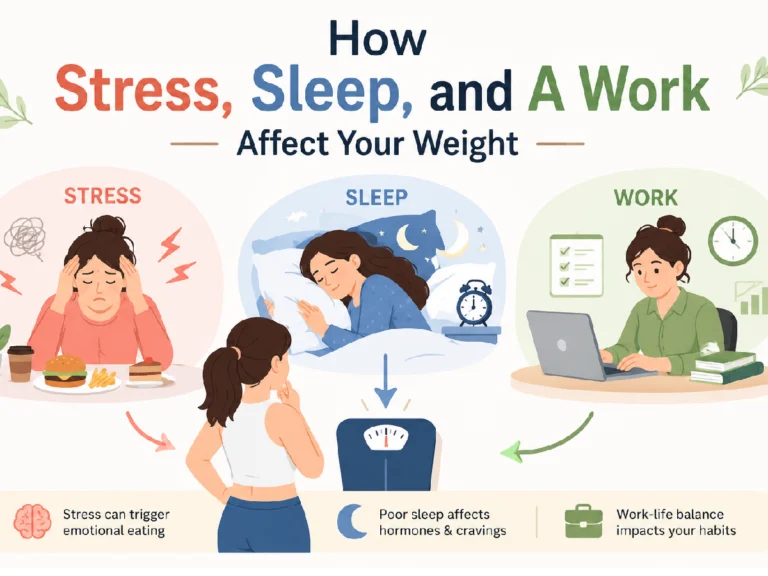
Sleep and recovery strongly influence hormones related to hunger and appetite regulation. Poor sleep may increase cravings for calorie-dense foods and reduce energy for healthy routines.
Common effects of chronic fatigue may include:
- Increased hunger
- Lower motivation
- Stronger cravings
- Reduced physical activity
- Poorer food decisions
Rest and recovery are not distractions from fat loss. They are foundational parts of maintaining healthy habits consistently.
Evenings Are When There Are More Than One Pressure At A Time
Evenings are unpleasant not due to a single reason. It is the result of several influences coming together at the same time.
When you get home, you are mentally exhausted, you might not have been active enough and you might be hungry after a long day.
This combination creates the perfect environment for impulsive eating and low motivation. Your brain is tired, your body wants energy, and your stress level may already be elevated. Under these conditions, convenience naturally becomes more attractive.
Many adults also experience emotional exhaustion during the evening. After managing responsibilities all day, food can begin to feel like comfort, reward, or relaxation rather than simple nutrition. Understanding this helps explain why evenings often feel much harder than mornings when trying to lose weight.
Why This Mashup Is Intimidating
This presents a scenario in which your body is in need of energy and your brain is in need of rest. At that, it is unrealistic to expect flawless discipline.
This realization will make you treat evenings differently. You begin to think about the reality of your energy levels instead of blaming yourself.
Evening overeating often happens because multiple pressures combine together:
- Mental fatigue
- Physical hunger
- Stress accumulation
- Low motivation
- Easy access to convenience food
When these factors happen simultaneously, healthy decisions naturally become harder. This is why simple evening routines usually work better than highly demanding plans.
Why Does Cooking Feel So Hard Post Work?
Preparing food is not just cooking. It includes planning, effort, attention and cleanup. All of these steps are bigger than they are when your energy is already low.
Your brain tends to find simpler options as a consequence.
Cooking after work can feel overwhelming because it requires multiple decisions and physical effort at a time when energy is already depleted.
Even basic tasks like:
- Choosing ingredients
- Preparing food
- Cleaning dishes
- Deciding portions
can feel mentally exhausting after a demanding day. This is why simple meal systems and preparation strategies often work better for busy adults than complicated recipes or strict meal plans.
Convenience As A Food Decision Factor
Food delivery applications, prepared food, and snacks are created to be fast, convenient, and simple. They eliminate decision-making and work, which is the last thing your brain needs at the end of the day.
When your weight loss program is based on making complicated meals each night, it will most probably fail every now and then. The problem is not knowledge, it is the adaptation between your plan and your energy.
Convenience strongly influences eating behavior because the brain naturally prefers low-effort solutions when tired.
This is why prepared healthy meals, leftovers, and repeatable “default meals” are often more sustainable than relying on motivation every evening.
Helpful low-effort meal ideas may include:
- Greek yogurt with fruit
- Rice with chicken and vegetables
- Eggs with toast
- Protein smoothies
- Prepared leftovers
The easier healthy eating becomes, the more likely it is to remain consistent.
Hunger Builds Up More Than You Realize During The Day
The other factor that makes evenings challenging is that hunger tends to build up. A lot of busy people do not eat at all, rush to eat or eat foods that are low in protein in the day.
This does not seem like an issue at the moment but leaves a memorable effect at a later stage.
Many adults unintentionally under-eat during busy work hours because they are distracted, rushed, or trying to “eat less” for weight loss. Unfortunately, this often creates stronger hunger later in the evening.
When the body goes long periods without balanced meals, appetite signals become more intense. This can make portion control and food choices much harder by nighttime. Understanding how daytime eating patterns affect evening hunger is important because many overeating episodes begin much earlier than people realize.
Why Evening Hunger Feels Strong
Your body is in a bid to keep pace by the time dinner comes. Hunger is intensified, and your brain is focused on quick and good foods.
This is the reason that dinner may get out of hand, despite your previous meals appearing to be okay. It is not merely what you ate at night, it is how your whole day had been organized.
Extreme evening hunger often leads to:
- Faster eating
- Larger portions
- Increased cravings
- Reduced fullness awareness
Balanced meals earlier in the day usually help regulate appetite later and reduce the intensity of nighttime hunger.
The Greater The Stress The More Comfort Food Is Difficult To Resist
Food can be so much more than just food, after a long and hard day. It transforms into a means of rest, rewarding yourself, or having a break.
Such emotional attachment renders some foods more desirable.
Stress eating is extremely common because highly palatable foods temporarily activate reward and comfort systems in the brain. This does not mean something is “wrong” with you. It is a normal response to emotional and mental exhaustion.
Many comfort foods are specifically appealing because they are:
- Easy to eat
- Highly rewarding
- Familiar
- Emotionally comforting
Understanding emotional eating patterns helps reduce guilt and allows healthier strategies to be developed gradually instead of relying entirely on restriction.
Reason Why Comfort Matters In The Evening
Attempting to eliminate comfort completely may make weight loss seem limiting and unfeasible. Rather, it is more productive to organize comfort in a managed manner.
When comfort is planned rather than reactive, it becomes easier to manage without disrupting progress.
Healthy eating becomes more sustainable when enjoyable foods are included realistically instead of completely avoided.
Helpful strategies may include:
- Planned evening snacks
- Balanced comfort meals
- Moderate portions of favorite foods
- Structured eating routines
This flexible approach often reduces binge eating and makes long-term consistency easier.
Why Evening Motivation Is Not A Good Idea
There are a lot of individuals who anticipate a post work motivation. They think that they are going to be able to cook, exercise, and make the correct decisions.
The fact is evening motivation is not reliable.
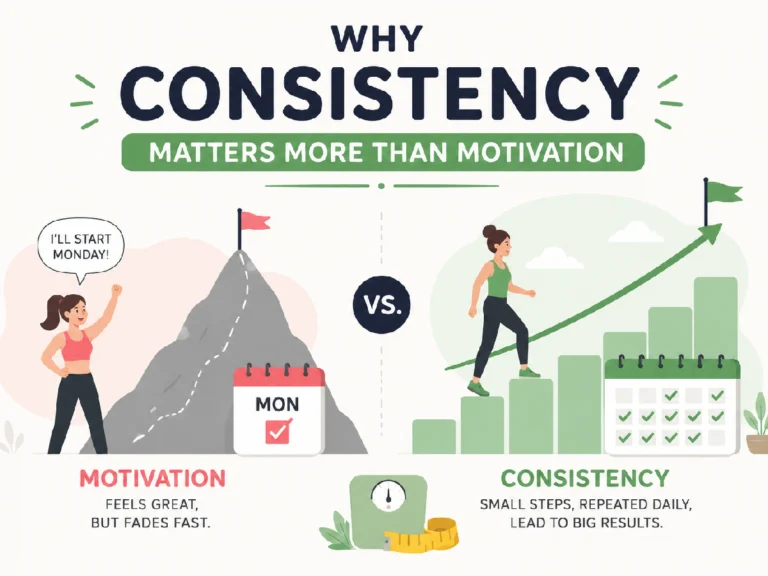
Motivation naturally changes throughout the day depending on stress, energy, sleep, and workload. This is why relying on motivation alone often creates inconsistency.
Many people blame themselves for lacking discipline at night when the real issue is simply exhaustion. Systems based on preparation and simplicity are usually much more effective because they require less mental effort after work.
Healthy habits become easier when they are designed for low-energy evenings instead of ideal circumstances.
The Problem With Waiting To “Feel Like It”
The highest motivation is at the beginning of day and the lowest at the end of the day. Unless you are sure that you can be motivated at night, your plan will fail more than it will work.
This is why successful strategies focus on preparation rather than motivation.
Preparation reduces dependence on emotional energy.
Helpful preparation strategies include:
- Preparing meals earlier
- Scheduling workouts in advance
- Keeping healthy foods visible
- Simplifying evening decisions
Consistency usually improves when healthy habits require less effort during stressful evenings.
Solution Begins Earlier In The Day
Evenings may be hard, but the solution is not initiated in the evening. It starts earlier.
When you have balanced meals throughout the day, then you are less likely to experience hunger. By making decisions upfront, your brain will have less to do later.
Planning earlier in the day helps reduce evening decision fatigue and impulsive eating. Balanced meals during breakfast and lunch can stabilize hunger and energy levels so evenings feel more manageable.
This approach is especially effective because it works proactively rather than reactively. Instead of trying to “control” yourself at night, you reduce the conditions that make overeating more likely in the first place.
Small adjustments earlier in the day often create noticeable improvements in nighttime eating habits.
Evening Stress Reduced By Early Decisions
Uncertainty is eliminated by knowing the dinner you will eat before the end of your working day. When you are tired you are not negotiating with yourself.
Evenings can be made a little easier with this easy change.
Pre-deciding meals reduces mental exhaustion because the decision is already made before fatigue becomes strongest.
Helpful examples include:
- Planning dinner in the morning
- Preparing leftovers
- Keeping quick healthy meals available
- Using repeatable meal options
These simple systems reduce stress and make healthy decisions easier during low-energy evenings.
Consistency Becomes Achievable Through Reduced Expectations
Most individuals think that they must do it all to perfection in order to succeed. But it is not realistic to be perfect, and particularly after a long day.
A more effective approach is to aim for simple, repeatable actions.
Perfection-based thinking often causes people to quit entirely after difficult days. Sustainable fat loss usually works better when expectations are realistic and flexible.
Small healthy actions repeated consistently are often more effective long term than short periods of extreme discipline. Lowering unrealistic expectations does not mean lowering standards. It means creating habits that remain possible even during stressful weeks.
Consistency becomes easier when healthy routines feel manageable instead of overwhelming.
What Good Enough Looks Like
Just a simple balanced meal suffices. It is sufficient to take a short walk. It is sufficient to go to bed earlier.
These actions may seem small, but they maintain progress without overwhelming you. In the long run, consistency is better than intensity.
Examples of realistic “good enough” habits include:
- A 10-minute walk
- A simple protein-based dinner
- Going to bed slightly earlier
- Drinking more water
- Choosing balanced portions
These small actions often create sustainable progress because they are easier to maintain consistently.
Why Rest Can Be More Effective In Weight Loss Than Restriction
When people feel stuck, they often try to eat less or push harder. However, in the case that fatigue is the primary concern, this solution may backfire.
In some cases the best thing to do is to enhance recovery.
Many people underestimate how strongly recovery affects appetite, cravings, motivation, and eating behavior. Chronic exhaustion can make healthy habits feel significantly harder to maintain.
Improving sleep and reducing stress often creates better appetite regulation naturally. This may reduce emotional eating, improve energy levels, and make healthy choices feel less mentally difficult.
Rest is not laziness. Recovery supports the body’s ability to maintain consistent healthy habits over time.
Relationship Between Sleep And Appetite
Sleep will balance the hunger hormones, and will boost energy and will also help in making decision-making easier. You tend to make a better choice when you are not under pressure because you are well-rested.
Rest does not act as a distractor to weight loss. It is a premise upon which it rests.
Poor sleep is linked with:
- Increased cravings
- Stronger appetite
- Reduced energy
- Higher stress levels
- More impulsive eating
Prioritizing sleep often improves consistency naturally because the brain and body function more effectively.
Making Default Evenings Lowers Effort
Among the most feasible ones is the establishment of routine evening habits. Evenings that are structured in a simple format need less thought.
Simple routines reduce mental exhaustion because fewer decisions need to be made at night. This is why many successful long-term habits rely on repetition rather than constant variety.
Default evening routines might include:
- A repeatable dinner
- A regular bedtime
- A short walk
- Limited late-night snacking
The goal is not to make evenings rigid. The goal is to reduce unnecessary effort during periods of low energy.
The Power Of Repetition
A familiar dinner choice, regular routine of wind-down and regular bedtime lessens the decision-making. You do not have to calculate the night out, you stick to a pattern.
This helps to eliminate stress and makes healthy behavior easier to imitate.
Repetition often improves consistency because habits become more automatic over time.
Benefits of routine may include:
- Reduced stress
- Better sleep
- Easier meal decisions
- Lower mental fatigue
- More stable eating habits
Simple predictable systems are often easier to sustain than highly complicated routines.
You Do Not Have To Get Every Evening Perfect
There will still be some tough nights. That is normal.
Being consistent does not amount to being perfect. It is choosing a little more frequently and better than before.
Many people assume progress requires flawless routines, but sustainable fat loss usually includes imperfect days. One stressful evening or one unplanned meal does not erase long-term progress.
What matters most is returning to your normal routine instead of turning one difficult evening into multiple days of inconsistency. Flexible thinking often improves long-term adherence much more than perfectionism.
Healthy habits become easier to maintain when setbacks are treated as normal parts of life rather than failures.
Progress Builds Over Time
With every evening that you handle well, you develop confidence. These little victories become a tendency that reinforces long-term outcomes, over time.
Long-term success is usually built through repeated small behaviors rather than dramatic changes.
Examples of meaningful progress may include:
- Better evening routines
- Reduced takeout dependence
- Improved sleep habits
- More balanced meals
- Greater consistency
These small improvements gradually create lasting changes over time.
Conclusion
Feeling too tired after work is not a personal flaw, it is a natural outcome of how modern life is structured. All day long your brain is working, all day long you are getting less and less energy, and by the evening the convenience of things is the most convenient thing. Rather than pushing yourself to work harder, a better way to achieve this is to make a system that fits your energy output.
Making your evenings easier, preparing in advance and sleeping better can make a change. When your lifestyle goes in line with your energy, maintaining consistency becomes simpler, and, in the long run, such consistency translates into long-term and realistic weight loss outcomes.
Sustainable fat loss becomes much more realistic when healthy habits are designed around your actual lifestyle instead of unrealistic expectations. Simple systems, balanced meals, preparation, and proper recovery often create more lasting results than relying on willpower alone.
The goal is not perfect evenings. The goal is building routines that still work when you are stressed, tired, and mentally exhausted. That is what makes long-term consistency and realistic weight loss possible for busy adults.