Table of Contents
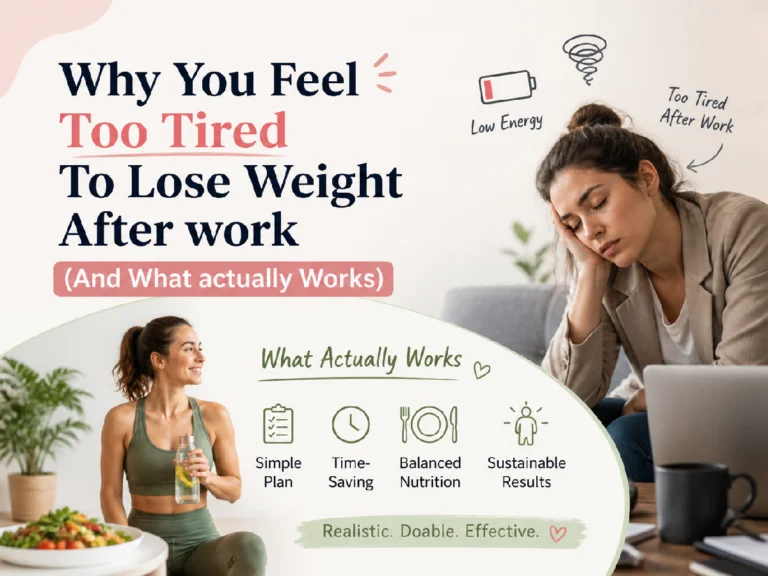
If you are a busy adult trying to lose weight, there is a strong chance that you have asked yourself this question many times: why does this feel so difficult when it appears easier for other people?
Online, you often see people following perfect routines. They prepare balanced meals every day, work out consistently, sleep well, and maintain highly organized schedules. From the outside, their process looks simple and manageable.
But your life probably looks very different.
Your schedule is already full. Work responsibilities demand attention. Family needs your energy and time. By the evening, you are mentally exhausted, physically tired, and still expected to make the “right” decisions for your health.
Naturally, this feels difficult.
The problem is usually not a lack of discipline. The real issue is that traditional weight loss advice often does not fit the reality of modern busy adult life. Most plans are designed around ideal conditions, while real life includes stress, interruptions, low energy, and limited time.
Understanding why weight loss feels harder for busy adults is important because it helps you create a more realistic and sustainable strategy instead of constantly blaming yourself. Healthy routines become easier when they fit your actual lifestyle rather than forcing you into unrealistic perfection.
The Reason Why Weight Loss Is More Difficult In Modern Times
Before trying to solve a problem, it helps to understand the environment that created it. Modern life places unique demands on adults that make healthy habits harder to maintain consistently.
Unlike previous generations, many adults now spend most of the day sitting, multitasking, handling constant notifications, and dealing with continuous mental stimulation. Work rarely stays at work anymore, and recovery time has become limited.
At the same time, convenient high-calorie foods are available almost everywhere. Stress levels remain elevated, schedules stay unpredictable, and opportunities for movement become smaller throughout the day.
All of these factors influence:
- Energy levels
- Hunger patterns
- Food decisions
- Exercise consistency
- Recovery and sleep quality
This environment naturally makes weight loss more challenging than it appears online or in highly structured plans. Understanding this helps reduce unnecessary guilt and creates a more realistic perspective about why consistency can feel difficult for busy adults.
Your Everyday Life Is Already Complete
The more responsibilities you manage, the less free time and mental energy remain available. Work becomes more demanding, family responsibilities increase, and personal recovery time often becomes limited.
Because of this, healthy behaviors such as meal planning, grocery shopping, exercise, or cooking must compete with many other priorities every day.
When schedules become overwhelming:
- Convenience becomes more attractive
- Planning feels mentally exhausting
- Workouts become easier to skip
- Eating becomes less structured
This does not mean you do not care about your health. It means your environment requires a different approach than highly structured or unrealistic plans.
Attention And Energy Are Scarce Resources
Weight loss is not only about knowledge. It also requires repeated decision-making throughout the day. When your attention and energy are already stretched thin, even simple choices such as what to eat can start to feel overwhelming.
Mental energy is limited. The more decisions your brain makes during work and daily responsibilities, the harder it becomes to continue making thoughtful health-related decisions later in the day.
This is why many adults feel more in control during the morning but struggle during the evening. Their mental energy gradually decreases throughout the day.
Understanding the importance of attention and energy helps explain why healthy habits often fail during stressful periods. The issue is usually exhaustion rather than lack of discipline.
Decision Fatigue: The Secret Killer Of Consistency
One of the most overlooked reasons weight loss feels difficult is decision fatigue. Every decision throughout the day slowly drains mental energy. By the evening, your brain naturally begins searching for easier and more familiar options.
This pattern strongly affects eating behavior because healthy choices usually require more planning and mental effort than convenience foods. Cooking, meal preparation, and portion awareness all become harder when the brain is tired.
Decision fatigue is extremely common in modern lifestyles because work, technology, and constant communication require continuous mental focus.
As mental exhaustion builds, people become more likely to:
- Order takeout
- Snack impulsively
- Skip workouts
- Choose comfort foods
- Avoid meal preparation
Understanding decision fatigue is important because it helps shift the focus from self-blame toward creating systems that reduce unnecessary mental effort.
What Happens At The End Of The Day
By evening, your brain has already handled hundreds of small and large decisions. Emails, work tasks, conversations, planning, and responsibilities all require mental attention. When it becomes time to decide what to eat, the brain naturally searches for the path of least resistance.
At this stage, comfort feels more attractive than effort.
This is why convenience foods often become appealing at night even when your intentions were good earlier in the day. Mental exhaustion lowers patience for cooking, planning, or resisting cravings.
The desire for easy and rewarding choices is not a personal weakness. It is a natural response to cognitive fatigue.
Why Even Strong Intentions Break Down
Many people begin the day with strong intentions to eat healthy or follow their routine. However, as stress and fatigue build throughout the day, following the plan becomes harder.
This explains why some individuals eat balanced meals during the day but struggle with overeating or cravings during the evening. Motivation decreases while mental fatigue increases.
Strong intentions alone are rarely enough because the brain changes priorities when energy becomes low. During exhaustion, comfort and convenience naturally feel more important than long-term goals.
This is why sustainable routines must be designed for low-energy periods instead of relying only on motivation.
The Real Solution
The solution is not increasing willpower endlessly. The more effective strategy is reducing the number of difficult decisions you must make each day.
Healthy systems simplify routines and reduce mental effort. When meals are predictable and habits become automatic, consistency becomes easier.
Helpful examples include:
- Preparing simple meals ahead
- Having repeatable breakfasts
- Keeping healthy snacks available
- Creating regular meal times
These systems reduce stress and make healthy choices easier during busy or mentally exhausting days.
The Effect Of Stress On Your Eating Habit
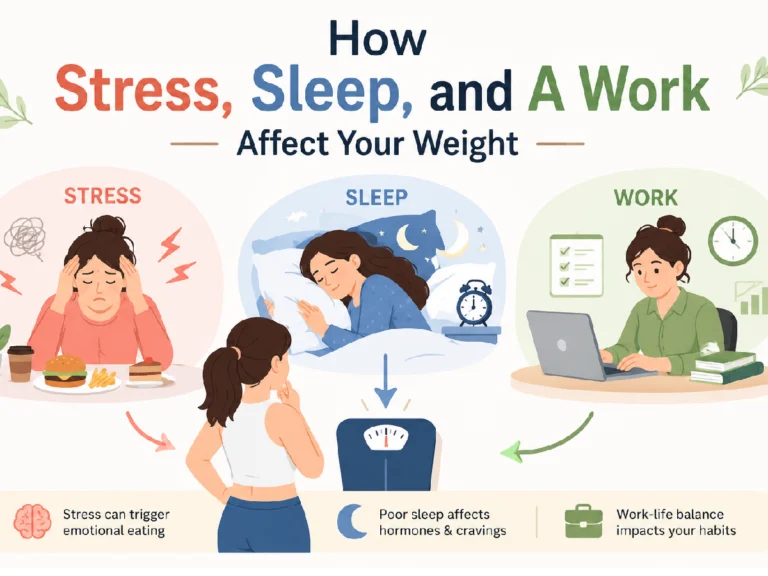
Stress plays a powerful role in both how and why people eat. During stressful periods, food often becomes more than simple nutrition. It becomes comfort, distraction, reward, or emotional relief.
Stress also affects appetite differently from person to person. Some individuals lose hunger, while many experience stronger cravings, especially for foods high in sugar, fat, or salt. These foods temporarily activate reward systems in the brain and provide short-term emotional comfort.
Busy adults often experience ongoing low-level stress from work, responsibilities, and constant mental pressure. Over time, this can quietly influence eating patterns, portion sizes, and food choices.
Understanding the connection between stress and eating helps remove unnecessary shame and allows more realistic strategies to be developed around emotional eating patterns.
Biological Response To Stress
Stress affects more than mood. It also influences hormones and appetite regulation inside the body. Stress hormones such as cortisol may increase cravings and make comfort foods feel more rewarding.
This is one reason why stressful days often increase the desire for:
- Sugary foods
- Fast food
- Snacks
- Highly processed meals
The body is searching for quick relief and fast energy during periods of mental pressure. This is a biological response, not evidence of personal failure.
Food Becomes More Than Fuel
After a mentally exhausting day, eating often becomes emotionally connected to relaxation and comfort rather than only physical hunger. Food may feel like a reward, distraction, or way to unwind.
This emotional connection is extremely common among busy adults because modern life creates constant pressure and limited recovery time.
Understanding this pattern is important because emotional eating usually improves more through awareness and better systems than through guilt or restriction.
Understanding And Not Judging
Recognizing stress-related eating patterns allows you to respond more realistically and compassionately. Instead of judging yourself harshly, you can focus on reducing stress-related decision-making and creating easier routines.
Helpful strategies may include:
- Keeping balanced meals available
- Planning meals ahead
- Creating relaxing non-food routines
- Reducing overly restrictive dieting
This approach often supports more sustainable progress than relying on self-criticism or perfection.
Exhaustion Slows Down Your Capacity To Remain Steady
One of the least recognized challenges in weight loss is fatigue. When energy becomes low, healthy behaviors naturally become more difficult to maintain.
Cooking balanced meals feels harder. Portion awareness decreases. Exercise becomes less appealing. Cravings increase. These patterns are extremely common because exhaustion changes the brain’s priorities toward comfort and recovery.
Busy adults often underestimate how strongly physical and mental fatigue affect eating behavior and consistency. Many struggles that appear to be “discipline problems” are actually energy-management problems.
Understanding the role of exhaustion helps create more realistic expectations and more supportive routines around low-energy periods.
What Does It Do When You Are Tired
Everything feels more difficult when energy is low. Simple healthy actions begin to require more mental effort.
When people are tired, they often experience:
- Reduced patience
- Stronger cravings
- Lower motivation
- Increased impulsive eating
- Less desire for exercise
The brain naturally shifts toward easier and faster solutions during fatigue because it is trying to conserve energy.
Why This Is Completely Normal
Low energy causes the body to prioritize recovery and rest. Under these conditions, habits requiring discipline and effort naturally feel harder. This is why evening struggles are so common among busy adults. The issue is often depleted energy rather than laziness or lack of motivation.
Recognizing this pattern allows healthier systems to be created around low-energy periods instead of constantly fighting against exhaustion.
The Takeaway
If weight loss feels harder during evenings or stressful periods, it does not mean you are failing. It often means your energy resources are depleted.
The goal should be simplifying healthy choices during low-energy periods instead of expecting perfect discipline all day long.
Simple strategies such as meal preparation, repeatable routines, and realistic expectations can make consistency much easier to maintain.
Why You Have Less Room To Fall Than Before
Many adults notice that losing weight feels harder than it did earlier in life. This is often connected to lifestyle changes that reduce movement, increase stress, and limit recovery time.
Modern work environments frequently involve long periods of sitting, reduced physical activity, and greater mental demands. As a result, the body burns fewer calories throughout the day compared to more active lifestyles.
This creates a smaller margin for inconsistency because even small habits can now influence progress more noticeably. Weight gain does not usually happen because the body is “working against you.” Instead, the body is adapting to a different environment and lifestyle pattern.
Lifestyle Changes Have An Influence On Energy Balance
Sedentary jobs, longer sitting hours, reduced physical movement, and increased stress all influence the number of calories your body uses daily.
Even when formal exercise exists, overall daily movement may still remain low. This affects energy balance and makes healthy habits more important than before.
Big Impact Of Little Habits
Small behaviors such as extra snacks, larger portions, sugary drinks, or reduced movement may now influence body weight more noticeably.
This does not mean your metabolism is “broken.” It means modern lifestyles often leave less room for inconsistent habits than earlier stages of life.
Why The Internet Advice Most Busy Adults Can’t Find Helpful
A major reason weight loss feels difficult is that much of the advice online is not designed for real-life busy schedules. Many plans assume ideal conditions such as unlimited motivation, regular schedules, low stress, and plenty of free time.
These assumptions rarely match modern adult life.
When plans require perfection, complicated meal preparation, or highly structured routines, they often become impossible to maintain during stressful periods. This mismatch creates frustration and makes many adults believe they personally failed.
In reality, the strategy itself was unrealistic for their lifestyle.
Sustainable plans usually work better when they are flexible, practical, and built around real-life limitations instead of ideal scenarios.
The Problem With Ideal Scenarios
Many plans assume you have:
- Consistent energy
- Free time for cooking
- Stable routines
- Low stress
- Constant motivation
These assumptions often fail to reflect the reality of busy adult life.
When The Plan Fails To Suit Your Life
A plan that does not fit naturally into your schedule becomes difficult to repeat consistently. Eventually, this creates frustration and emotional exhaustion.
Long-term progress becomes easier when healthy habits adapt to your lifestyle instead of forcing you to constantly adapt to unrealistic systems.
The Truth You Need To Understand
In many situations, the problem is not that you failed. The plan itself was unrealistic for your environment, schedule, and energy levels. Recognizing this can reduce unnecessary guilt and help you focus on creating healthier systems that actually fit your life.
The Reason Why Motivation Is Not Sufficient
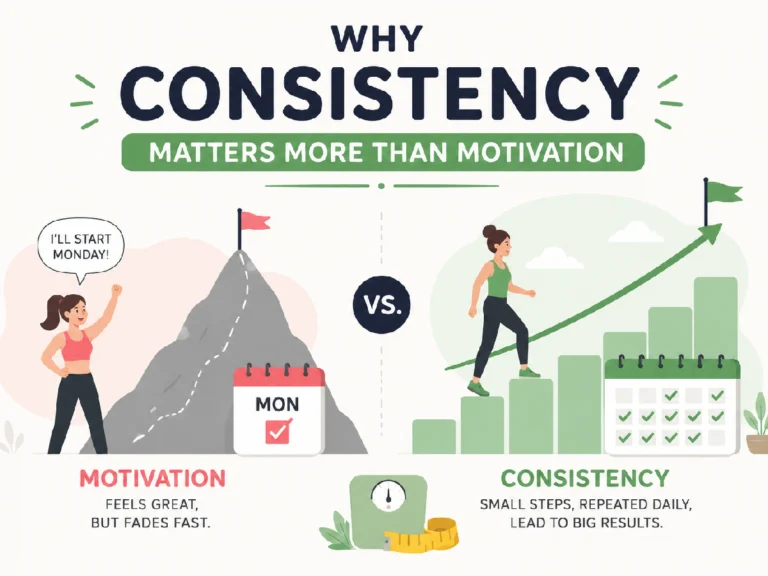
Many people believe success depends mostly on motivation. While motivation can help someone begin, it is rarely stable enough to maintain long-term progress.
Motivation naturally changes based on:
- Stress
- Sleep quality
- Emotional pressure
- Workload
- Daily responsibilities
Health organizations such as the Centers for Disease Control and Prevention emphasize that sustainable weight loss depends more on consistent lifestyle habits than temporary bursts of motivation.
This is why routines and systems usually work better than relying only on emotional energy.
The Issue With Depending On Motivation
Motivation can feel strong during the beginning of a plan but often decreases during stressful or exhausting periods. When healthy habits depend completely on feeling inspired, consistency becomes unpredictable.
What Really Works Instead
Simple systems and repeatable habits continue working even during low-energy days because they require less emotional effort.
Examples may include:
- Repeatable meals
- Regular meal timing
- Basic exercise routines
- Planned grocery shopping
These systems create more stability than temporary emotional motivation alone.
What Health Experts Highlight
Experts consistently emphasize that gradual and sustainable lifestyle habits are more effective for long-term weight management than extreme dieting or short-term bursts of effort.
Consistency and repeatability are usually more important than perfection.
Why Weight Loss Competes With Comfort
After stressful days, comfort becomes highly appealing. Food, relaxation, and rest naturally feel rewarding because the brain is searching for recovery.
When weight loss strategies remove all comfort or enjoyment, they often become difficult to maintain. Restrictive approaches may temporarily create progress but usually increase mental exhaustion and cravings over time.
Sustainable fat loss usually works better when comfort is included in balanced and moderate ways rather than completely eliminated. This helps healthy eating feel supportive instead of punishing.
The Natural Need To Relieve
Humans naturally seek relief after demanding days. Comfort foods, entertainment, and relaxation all provide temporary emotional recovery. Trying to remove every enjoyable experience from weight loss often creates frustration and inconsistency.
A Greener Approach
Balanced strategies allow room for enjoyment, flexibility, and comfort while still maintaining healthy habits overall. This approach often improves long-term consistency because the process feels realistic instead of overly restrictive.
Why The Progress In A Busy Life Seems Slower
Busy adults often feel discouraged because their progress appears slower compared to people online or individuals with fewer responsibilities. However, slower progress does not mean ineffective progress.
Real-life responsibilities influence energy, recovery, stress, and consistency. Sustainable progress inside a busy lifestyle may happen more gradually, but it is often easier to maintain long term because it is built around realistic routines.
Comparing yourself to people with completely different schedules and lifestyles usually creates unnecessary frustration. Meaningful progress should always be measured within the context of your own life and responsibilities.
Comparison To Others
People online may have:
- More free time
- Different responsibilities
- Flexible schedules
- Greater recovery time
Direct comparisons rarely reflect the full reality of someone else’s lifestyle.
Realistic Progress Awareness
Steady improvement during busy periods still matters greatly. Even gradual progress can create meaningful long-term results when maintained consistently over time.
Why Simpler Systems Are More Effective
Complex routines usually fail because they require too much energy, attention, and planning. Busy adults often benefit far more from simple systems that continue working during stressful periods.
Simple habits are easier to repeat because they create less mental friction and adapt more naturally to unpredictable schedules.
This is why simplicity is often more powerful than intensity for long-term consistency. Healthy routines should feel manageable even during difficult weeks.
Simplicity Is The Name Of The Rose
Simple routines continue working during:
- Travel
- Stressful weeks
- Low-energy evenings
- Busy schedules
This flexibility makes them much easier to maintain consistently over time.
How To Develop Habits That Work In Life
The goal is not building a perfect system. It is building habits that remain realistic and repeatable even when life becomes uncertain.
Helpful examples include:
- Repeatable meals
- Simple exercise routines
- Flexible planning
- Basic meal structure
These habits support sustainable consistency more effectively than highly complicated plans.
What Makes Weight Loss Easier For Busy Adults?
Adults who successfully lose weight during busy schedules usually follow similar patterns. They simplify decisions, reduce unnecessary pressure, and focus on consistency rather than perfection.
Instead of relying on motivation alone, they build repeatable systems that continue working during stressful periods. This reduces mental exhaustion and makes healthy behaviors easier to maintain long term.
Developing Repeatable Systems
Simple meals, repeatable routines, and reduced decision-making help healthy habits feel easier and more automatic. These systems protect consistency during stressful periods and reduce dependence on motivation.
Giving Up Perfection
Successful long-term progress usually comes from doing “enough” consistently instead of chasing perfect days. This mindset reduces pressure, improves sustainability, and makes healthy habits more realistic within busy adult life.
Conclusion
Weight loss feels difficult for many busy adults because life itself already demands large amounts of time, energy, and mental focus. The challenge is rarely lack of knowledge. More often, it is the combination of stress, exhaustion, decision fatigue, and unrealistic expectations.
When weight loss strategies ignore these realities, they become difficult to sustain. But when systems are designed around real life, healthy habits become much more manageable.
You do not need extreme discipline or perfect routines. You need realistic systems that continue working during ordinary days, especially the busy, stressful, and exhausting ones.
That is where sustainable progress truly begins.