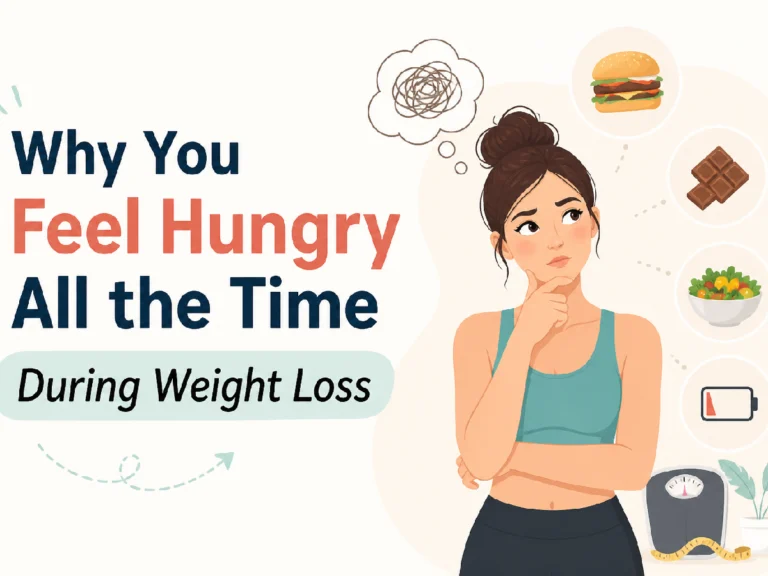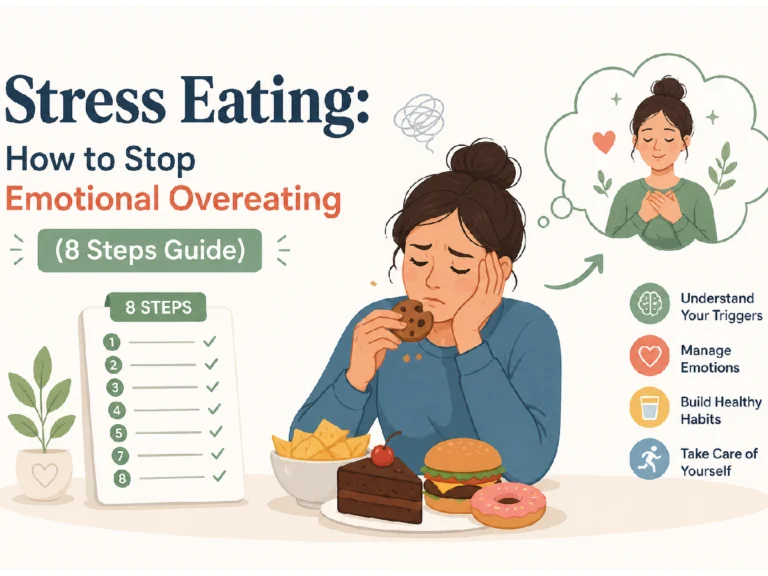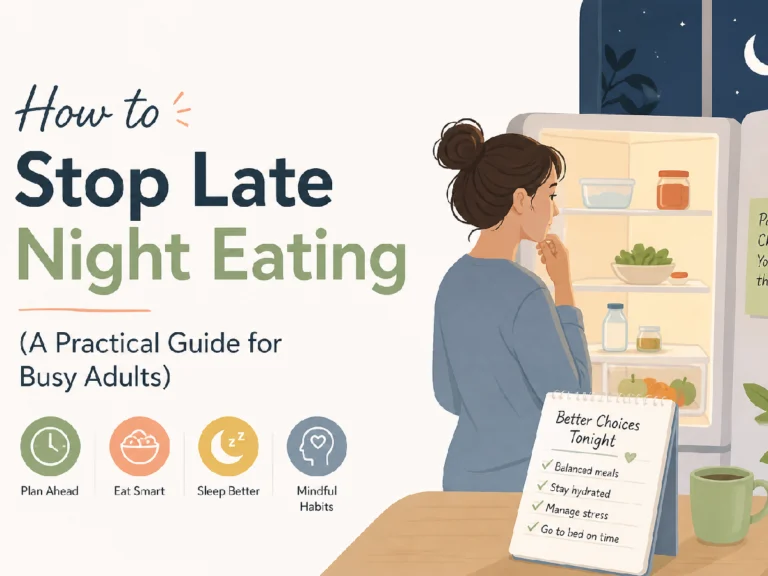
You’ve started eating less. You are making an attempt to watch what you eat; you are not taking useless snacks and you are eating more wisely. But despite your efforts, the scale refuses to move, or sometimes even goes up.
This may be frustrating and confusing, particularly when you feel that you are doing everything correctly. The truth of the matter is weight loss does not simply involve eating less. It relies on consistency, lifestyle habits, and the way your body reacts to such changes.
In many cases, fat loss may still be happening, but it’s being hidden by factors you may not even notice. Understanding these hidden reasons is the key to making real progress without resorting to extreme dieting.
Many busy adults assume that eating less should automatically produce quick weight loss. However, the body responds to far more than calorie intake alone. Stress, sleep, meal consistency, portion sizes, daily movement, and eating habits all influence progress over time. This is why someone may genuinely feel they are eating less but still struggle to notice changes on the scale. Understanding the bigger picture helps create a more realistic and sustainable approach instead of becoming frustrated and overly restrictive.
First, Make Sure You’re Measuring Progress The Right Way
Before assuming that your weight loss has stalled, it’s important to look at how you’re measuring progress. A lot of individuals are dependent on random or daily weigh-ins, and this can be misleading.
Normal changes in your body weight are a result of water retention, sodium, digestion, stress, sleep, and hormone changes. Due to this reason, the amount on the scale does not necessarily indicate real fat loss.
It will be more accurate to monitor your weight a few times per week and work on the average increase or decrease on a weekly basis. In addition to that, you can also measure your waist after a couple of weeks and see how your clothes are fitting to see a more accurate view of your progress. These techniques assist you in observing trends as opposed to responding to day-to-day changes.
Body weight naturally fluctuates throughout the week, which is why focusing only on daily numbers often creates unnecessary frustration. Water retention alone can temporarily increase weight even when fat loss is still occurring.
Better ways to measure progress may include:
- Weekly weight averages
- Waist measurements
- Progress photos
- Energy levels
- How clothes fit
Looking at long-term patterns instead of daily changes usually provides a more realistic picture of actual progress.
You’re Eating Less, But Not Consistently
Although you might be trying to eat less, going up and down throughout the week will quietly slow things down. The key to fat loss is not several “good” days but long-term calorie balance.
Common Patterns That Break Consistency
Most busy adults tend to get into habits that may seem manageable at the time but disrupt progress over the week:
- Having a small amount of food throughout the day and a lot of food at night
- Strict during weekdays and relaxed during weekends
- Missing meals and making it up afterwards
- Eating out regularly without being aware of portion sizes
These patterns can cancel out your calorie deficit even if you believe you’re eating less overall.
Inconsistent eating patterns often create hidden overeating because the body responds strongly to restriction and hunger. Many adults unintentionally “compensate” later in the day after under-eating earlier.
This cycle makes consistency difficult because extreme hunger usually increases cravings, portion sizes, and emotional eating tendencies. Sustainable progress is usually easier when eating habits remain steady throughout the entire week rather than highly restrictive on some days and uncontrolled on others.
How To Build A More Consistent Routine
Instead of attempting to be flawless, aim at creating a framework that you can repeat every day:
- Eat regularly to prevent excessive hunger
- Maintain your eating routine between weekdays and weekends
- Avoid long gaps that lead to overeating later
- Plan simple meals when you’re busy
Consistency is not restriction. It minimizes extremes.
Simple routines often work better than highly strict diets because they are easier to maintain during stressful periods. Structured eating patterns help regulate appetite and reduce impulsive eating.
A consistent routine also helps:
- Stabilize energy levels
- Reduce cravings
- Improve portion control
- Support better decision-making
These small habits gradually make healthy eating feel more manageable and sustainable long term.
Portion Sizes May Be Bigger Than You Think
It can happen even in cases when you are consuming healthy foods. The volume of the portions may gradually increase without your notice. This is commonly referred to as portion creep, and it can silently stop weight loss.
Nuts, peanut butter, cheese, oils, and dressings are nutritious foods that are high in calories. A little more per day might feel insignificant, but over the course of a week, it can make a major difference.
Rather than strict measuring of everything, it is more realistic to simply become more conscious of portion sizes. Occasionally checking high-calorie foods and using simple methods like serving snacks in a bowl instead of eating directly from the packet can help you stay in control without feeling restricted.
Portion creep is extremely common because humans naturally underestimate how much they eat over time. Busy adults often eat distractedly while working, scrolling on phones, or watching television, which further reduces awareness around serving sizes.
Helpful habits may include:
- Eating from plates instead of packages
- Slowing down during meals
- Serving portions intentionally
- Avoiding mindless snacking
Small improvements in awareness often make a noticeable difference without requiring obsessive tracking.
Liquid Calories Are Slowing Your Progress
Liquid calories are often overlooked because they do not feel like “real food,” yet they can have a major effect on daily calorie intake without creating fullness.
Common Sources Of Hidden Liquid Calories
A lot of the beverages that people consume daily may silently increase calories:
- Flavored lattes or sweetened coffee
- Canned fruit juices and smoothies
- Sweet tea or soft drinks
- Alcohol (particularly regular or weekend drinking)
Since they do not bring about satiety, they end up contributing to total calories without decreasing hunger.
Many beverages contain surprisingly high amounts of sugar and calories while providing very little fullness. This makes it easy to consume large amounts without realizing the impact.
Liquid calories are especially problematic because they often become habitual parts of daily routines, such as sweetened coffee or soda during work hours. Reducing these drinks gradually can improve calorie balance without requiring major dietary restriction.
Smarter Drink Choices For Fat Loss
You do not have to get rid of everything, though minor changes can lead to significant impacts:
- Substitute sweetened beverages with water or unsweetened ones
- Select black coffee or reduce added sugar
- Use smoothies as a main meal, not as a supplement
- Reduce alcohol frequency instead of cutting it completely
These modifications will contribute to the formation of a calorie deficit without the necessity to adhere to a strict diet.
Small drink-related changes are often easier to sustain than aggressive dieting because they reduce calories without increasing feelings of deprivation.
Simple substitutions may improve:
- Daily calorie intake
- Energy stability
- Appetite control
- Hydration levels
These adjustments become especially helpful when repeated consistently over time.
Eating Too Little Can Backfire
Surprisingly, consuming too little can even slow down your progress. The response of your body to a drastic change in food consumption is increased hunger and stronger cravings.
This often creates a pattern where someone eats very little during the day and then overeats at night or during weekends. This trend makes maintaining a consistent calorie deficit much harder over time.
A better approach is to eat structured meals that include enough nutrients to keep you satisfied. Balanced meals with protein and fiber help control hunger and reduce the chances of overeating later.
Extreme restriction usually creates more stress around food and increases the likelihood of emotional or impulsive eating later in the day. Busy adults often mistake under-eating for discipline, but it commonly leads to reduced consistency and stronger cravings.
Balanced eating patterns support:
- Better appetite regulation
- More stable energy
- Improved focus
- Reduced binge-style eating
This approach is generally more sustainable than aggressive calorie restriction.
Not Eating Enough Protein
Protein is very important in losing fat because it makes you feel full and satisfied after eating. When your diet is low in protein, hunger tends to return quickly, leading to frequent snacking and cravings.
When you tend to get hungry a few hours after eating or feel strong nighttime cravings, it could be that your meals are not containing enough protein.
Supplying your meals with a protein source, like eggs, yogurt, chicken, fish, or plant-based sources like lentils and beans, will help make your meals more satisfying and easier to maintain.
Protein also supports muscle maintenance during weight loss and may slightly increase fullness compared to meals very high in refined carbohydrates.
Helpful protein-rich options include:
- Eggs
- Greek yogurt
- Chicken
- Fish
- Lentils
- Beans
- Tofu
Including protein consistently throughout the day often improves appetite control naturally.
Stress Is Impacting Your Eating Habits
One of the least considered causes of weight loss difficulty is stress. It does not only influence your mood but also your eating habits.
When under stress, your body wants comfort foods and high-calorie foods, particularly foods high in sugar and fat. At the same time, mental fatigue can lead to mindless snacking or emotional eating.
Instead of relying on willpower alone, it’s more effective to create simple strategies to manage stress. Activities like short walks, deep breathing, or even writing down your thoughts can help reduce stress and improve eating decisions.
Stress strongly affects appetite, cravings, and self-control because the brain naturally seeks rewarding and comforting experiences during difficult periods.
Common stress-related eating behaviors may include:
- Emotional snacking
- Late-night eating
- Craving sugary foods
- Eating while distracted
Reducing stress gradually often improves eating consistency more effectively than simply trying to increase discipline.
Getting Hungry And Craving More Due To Poor Sleep
Sleep directly affects hunger hormones and judgment. Lack of enough rest means that your body sends more hunger cues and limits your craving control.
This can lead to more frequent snacking, low energy, and a greater likelihood of eating convenient and energy-dense foods.
Even adding 30 to 60 minutes to your sleep can help. Eliminating screen time prior to sleep and avoiding heavy meals late in the evening can also improve sleep quality.
The Centers for Disease Control and Prevention states that regular lifestyle habits such as sleep are significant for maintaining a healthy weight.
Sleep deprivation also affects emotional regulation and decision-making, which can make healthy choices feel harder throughout the following day.
Improving sleep quality may help:
- Reduce cravings
- Improve appetite control
- Increase energy
- Support consistency
These effects often make healthy routines easier to maintain naturally.
Water Retention Can Be Causing Fat Loss To Be Invisible
At times, it is not that you are not losing fat. It is because your body is retaining water.
Water retention may occur because of salty food, stress, soreness after exercise, hormonal fluctuations, or even changes in routine such as traveling. This may temporarily increase your weight or maintain it even when fat loss is happening.
This is why it’s important not to panic when the scale doesn’t move for a few days. It is better to focus on long-term trends rather than daily fluctuations to get a clearer idea about your progress.
Water weight changes are temporary and extremely common. Many people mistakenly believe they are “not losing weight” when the body is simply holding extra fluid for short periods.
Understanding this helps reduce unnecessary frustration and prevents people from reacting with overly restrictive dieting after a few days of slower scale changes.
You Could Be Moving Slower Than You Think
Exercise is an important part of losing weight, particularly among busy adults who spend most of their time in sedentary positions. Even while consuming fewer calories, lack of movement can lower the number of calories you burn throughout the day.
Simple adjustments such as taking fewer steps, skipping walks, or increasing screen time can accumulate over time.
Simple routines such as taking a 20-minute walk or walking after meals can help increase daily activity without requiring a strict workout program.
Many adults overestimate how active they are because exercise sessions feel productive, but overall daily movement still matters greatly for calorie expenditure and health.
Daily movement may include:
- Walking
- Standing more often
- Taking stairs
- Short activity breaks
These smaller movements contribute significantly to overall energy expenditure throughout the week.
Actual Fat Loss Is A Process
One of the biggest reasons people feel stuck is unrealistic expectations. Sustainable fat loss takes time, but many expect to see major results after only a week or two.
The average fat loss rate should be around 0.5 to 1 percent of body weight per week. This may feel slow, yet it is usually much more sustainable and easier to maintain long term.
Rather than focusing only on quick results, it is better to concentrate on consistency. Minor daily habits create major changes over time.
Social media and extreme transformation stories often create unrealistic expectations around how quickly fat loss should happen. In reality, sustainable progress is usually gradual.
Long-term success often depends more on:
- Consistency
- Patience
- Balanced routines
- Repeatable habits
These behaviors create results that are much easier to maintain over time.
What To Do Next: Basic Reset Plan
When you are not losing pounds even though you are eating less, it is not time to become more restrictive. Instead, focus on building a simple structure that supports consistency.
Begin by eating protein at each meal, limiting calories from drinks, and building balanced plates. Add this to daily walking and improved sleep patterns. Meanwhile, monitor your progress by weekly averages instead of weighing daily.
This strategy can assist you in identifying what was slowing you down and help you resume progress in a sustainable way within a few weeks.
Simple reset strategies often work better because they reduce overwhelm and focus on foundational habits rather than extreme dieting.
Helpful reset priorities may include:
- Balanced meals
- Better sleep
- Daily movement
- Reduced liquid calories
- More protein intake
These habits support sustainable fat loss without creating unnecessary restriction or stress.
Final Thoughts
When you are unable to lose weight by eating less, it does not imply that you are failing. It typically implies that there exists a hidden factor influencing your progress, whether it is inconsistency, portion sizes, stress, sleep, or low protein intake.
Neither extreme dieting nor further reduction of food is usually the solution. It is all about the quality and consistency of your habits.
Fat loss becomes more predictable and sustainable when you concentrate on simple and repeatable habits such as balanced meals, daily movement, improved sleep, and better eating structure.
Be consistent over a few weeks and you will begin to notice the results you have been striving to achieve.
Sustainable weight loss rarely depends on eating as little as possible. Instead, it depends on creating habits that support consistency, appetite control, energy levels, and realistic long-term behavior. When these areas improve together, progress often becomes much more manageable and less frustrating for busy adults.