| Select Why You Feel Hungry All the Time During Weight Loss | Why You Feel Hungry All the Time During Weight Loss |
|---|
It all sounds easy, lose weight, eat less and move more. But in life, it seldom seems so easy. Being hungry all the time is one of the greatest challenges busy adults have to deal with. You begin to eat less to get results, yet you become annoyed, distracted, and are always thinking about food. In the evening, the desire becomes so strong, and it seems that all your efforts are canceled.
When this is the case, it is not your will power. It typically implies that your style is too strict, imbalanced or unrealistic to your way of life. And with hunger always so high, consistency is near impossible.
In this guide, you’ll learn the most common reasons you feel hungry during weight loss and exactly what busy adults can do to fix it without extreme dieting.
Hunger vs. Cravings
You must first of all know what you are really experiencing before correcting the problem.
- Real hunger
True hunger comes up gradually. It presents itself as low energy, inability to concentrate or emptiness in your stomach. A balanced meal will send it away when you eat it.
- Cravings
Cravings are different. They are sudden, specific (such as sweets) and are more powerful in times of stress or at night. Most of the busy people in society mix cravings and hunger.
As a matter of fact, they might be fatigued, having stress or responding to habits, not necessarily requiring food. This difference is significant as it needs a different solution in each case. Once you realize what you are experiencing, the second thing is to determine why it is taking place. There are several typical patterns in most cases.
1. You Are Not Eating Enough (Your Body is Resisting)
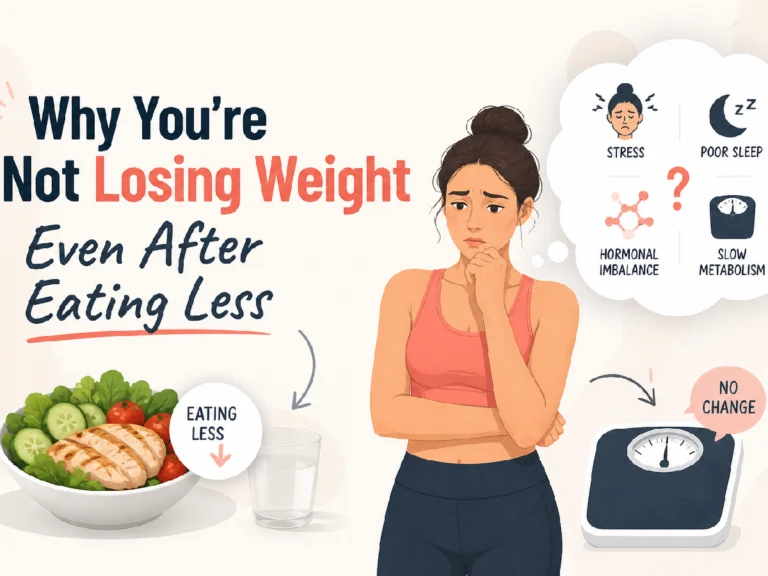
When you cut your food intake too drastically, your body naturally pushes back. Instead of helping you lose fat faster, extreme restriction increases hunger hormones, lowers your energy levels, and makes you think about food more often. This isn’t a lack of discipline, it’s your body trying to protect itself.
As a result, you may feel hungrier throughout the day, experience stronger cravings at night, and notice reduced focus and energy. Over time, this often leads to overeating. A better approach is not eating less, but eating smarter by including balanced meals with enough protein, fiber, and proper portions to stay satisfied.
2. Your Meals Lack Protein (So You Don’t Remain Full)
Protein is one of the most important nutrients for controlling hunger, yet many weight loss diets don’t include enough of it. Meals like toast, cereal, fruit, or simple salads may seem healthy, but they often fail to keep you full for long. As a result, you may feel hungry within one to two hours after eating, struggle with uncontrolled afternoon snacking, and experience strong cravings in the evening.
This pattern usually indicates that your meals lack sufficient protein. A simple solution is to include a protein source in every meal, such as eggs, yogurt, chicken, fish, or plant-based options like lentils and beans, which can significantly improve fullness.
3. You Are Not Consuming Sufficient Fiber
Not consuming enough fiber is a common reason you feel hungry during weight loss. Fiber helps you stay full by slowing digestion and adding bulk to your meals, which keeps hunger under control for longer. However, many busy adults rely on processed foods, takeout, and refined carbs, which are low in fiber and lead to quicker hunger and frequent cravings.
Including enough fiber in your diet also supports better blood sugar control and digestion. Instead of following a strict plan, focus on simple changes like adding vegetables to your main meals, eating fruit daily, and including beans or whole foods whenever possible.
4. You Are Selecting Diet Foods, Which Are Not Satisfying to You
Many low-calorie or so-called “diet foods” may reduce calories, but they often fail to satisfy your hunger. Foods like rice cakes, sugar-free snacks, or very small portions might seem helpful at first, but they don’t keep you full for long, leading to repeated hunger soon after eating.
The issue is not just about eating fewer calories, it’s about feeling satisfied after a meal. When your meals lack substance, your body continues to seek food. What truly helps is a balanced approach. Meals that include protein, fiber, and a small amount of healthy fats are far more effective at keeping you full than relying on low-calorie snacks alone.
5. You Are Skipping Meals (Which Only Works Against You Later)
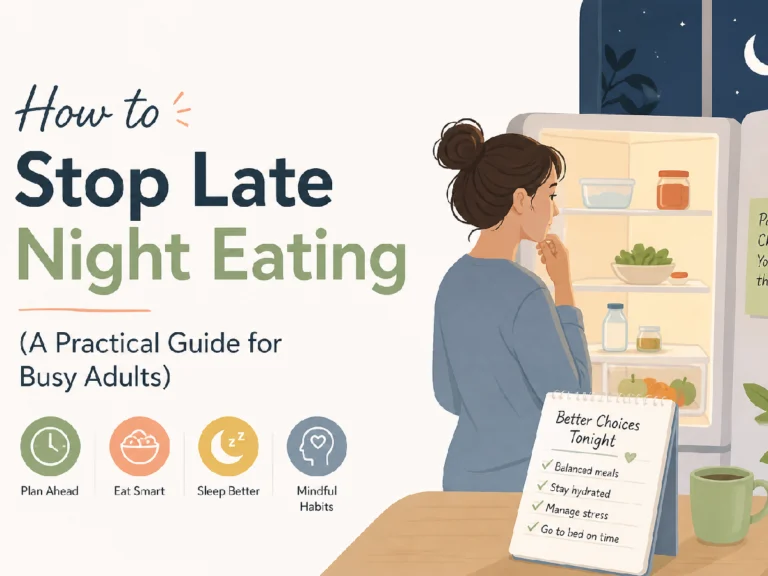
Skipping meals may seem like an easy way to reduce calories, especially during busy workdays, but it often works against you. When you delay or miss meals, hunger doesn’t disappear, it builds up. By the evening, this can lead to strong cravings and overeating.
A common pattern is skipping breakfast, postponing lunch, staying busy all day, and then feeling extremely hungry at night. Instead of relying on this approach, aim for 2–3 structured meals daily, with a planned snack if needed. Maintaining regular eating times helps stabilize your appetite and prevents sudden hunger spikes later in the day.
6. Stress is Increasing Our Appetite
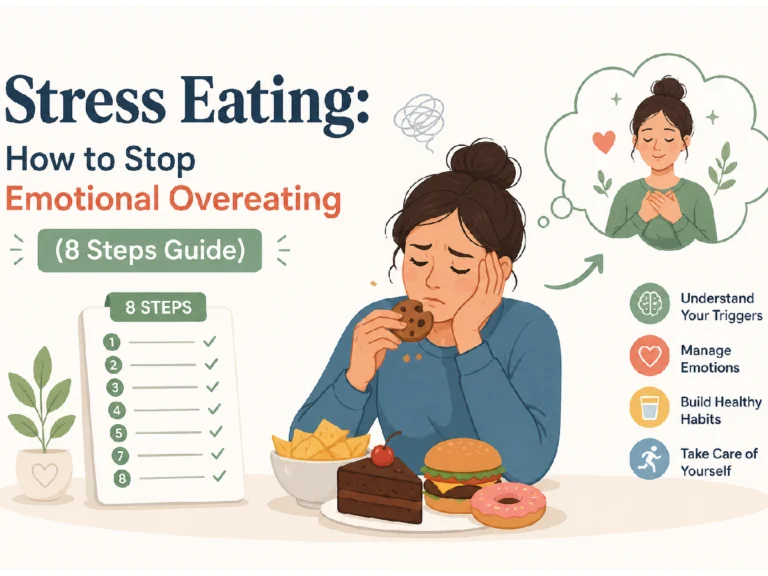
Stress doesn’t just affect your mood, it also directly impacts how you eat. When you feel stressed, your brain looks for quick relief, and food often becomes the easiest option. This type of hunger is emotional rather than physical, which is why it can feel sudden and hard to control.
Instead of depending only on willpower, it’s more effective to reduce the triggers causing that stress. Simple actions like taking a short walk, doing light exercises, or spending a few minutes relaxing can calm your mind. When stress levels drop, cravings naturally become easier to manage, making your eating habits more stable.
7. Inadequate Sleep is interfering with the Hormones of Hunger
Inadequate sleep can significantly interfere with the hormones that regulate hunger and fullness, making weight loss much harder than it should be. When you don’t get enough rest, your body produces more hunger hormones while reducing the signals that tell you you’re full.
As a result, you feel hungrier throughout the day and are more likely to crave high-calorie, sugary foods. Research, including findings from the Centers for Disease Control and Prevention, shows that sleep deprivation is strongly linked to increased appetite and cravings. Improving sleep doesn’t require drastic changes, even going to bed 30 minutes earlier or reducing screen time at night can help control hunger.
8. You Are Consuming Empty Calories
Consuming empty calories, especially from beverages, is a common reason you may feel hungry during weight loss. Liquid calories do not provide the same sense of fullness as solid foods, so even after drinking them, your body may still signal hunger. Drinks like sweetened coffee, juice, soda, and alcohol can significantly increase your daily calorie intake without satisfying your appetite.
These beverages often cause rapid spikes and drops in blood sugar levels, which can lead to increased hunger soon after. Reducing the intake of such drinks can help stabilize your appetite and make it easier to manage hunger throughout the day.
9. You Are Trying To Be Too Good
Trying to follow strict rules like no sugar, no carbs, or never eating out often backfires. When your diet feels too restrictive, your brain starts craving those same foods even more. This creates what is known as mental hunger, where you feel the urge to eat even if your body doesn’t physically need food. Instead of aiming for perfection, it’s more effective to focus on balance.
The 80/20 approach works well for busy adults, where most meals are structured and healthy, but some flexibility is allowed. This reduces pressure, makes your routine easier to follow, and helps you stay consistent in the long run.
What Busy Adults Should Do to Reduce Hunger (Simple Fix Plan)
You do not have to alter everything immediately. Make it small and create consistency. Step-by-Step Approach
- Eat protein with each meal.
- Eat vegetables during lunch and dinner.
- Avoid skipping meals
- Prepare one snack (when necessary).
- Improve sleep by 30 minutes
With continuous application of 1-2 weeks, these solutions can greatly decrease hunger.
Conclusion: Why Hunger Is Not the Real Problem
Hunger during weight loss doesn’t mean you’re doing something wrong, it usually means your approach is too strict or not suited to your lifestyle. When your plan feels extreme, your body naturally pushes back by increasing hunger and cravings.
Sustainable fat loss isn’t about fighting hunger every day; it’s about managing it in a smarter way. When you focus on balanced meals, a consistent routine, and a realistic plan you can actually follow, hunger starts to settle down on its own. And once hunger becomes easier to handle, staying consistent no longer feels like a struggle. That’s the point where real, lasting progress begins to happen.