Table of Contents
When you consult ten individuals on what they should eat to lose weight, chances are that you will get a totally different answer. Some of them are to cut on carbs, others to eat salads only, or some think that the quickest way to lose weight is to starve. With all these contradictory views, busy adults may get lost and be overwhelmed.
It is also stressful when the process of eating begins to be complex. You start doubting such simple decisions, such as whether rice is unhealthy, whether dinner is too heavy, or whether fruit will slow you down. Over time, this constant doubt makes consistency harder.
The point is that weight loss does not demand ideal meals. It requires balanced meals.
As soon as you are aware of what balance really means, you make simpler choices. Shopping at the grocery store is easier, eating out is convenient, and most of all, you can stick to it even in the busiest weeks.
In this guide, you will know how to prepare meals that help you to lose fat without counting calories or following some extreme dietary rules.
Balanced eating is often easier to maintain because it removes unnecessary food fear and focuses on structure instead of perfection. Most healthy meals do not need to be expensive, highly restrictive, or difficult to prepare. When meals contain the right combination of nutrients, your body is more likely to stay satisfied and energized throughout the day. This makes healthy eating more realistic for busy adults who want a sustainable approach rather than a short-term diet.
Why Balancing Is More Important Than Restriction
The majority of diets are based on restriction. They give you what to eliminate- carbs, fats, sugar, or whole groups of foods. Although this may produce short-term outcomes, it is seldom long-term.
Fat loss is more effective when your food makes you feel satisfied, keeps your energy level constant, and minimizes cravings. When you eat in balance, your body naturally regulates hunger, and you find it easy to eat the required amount without willpower.
Hunger will soon reappear when meals are not balanced. This causes snacking frequently, erratic energy, and ultimately lack of consistency. In the long run, this trend renders slimming more difficult than it is.
This is the reason why balance is a better choice than restriction; it helps your body rather than opposes it.
Restriction-based diets often fail because they create a constant feeling of deprivation. When people feel restricted for too long, cravings usually increase and overeating becomes more likely later. Balanced eating works differently because it focuses on satisfaction instead of elimination.
Balanced meals may help by:
- Reducing intense cravings
- Improving fullness
- Supporting stable energy
- Making portions easier to control
- Creating more sustainable habits
Long-term weight loss usually depends more on consistency than extreme dieting methods. When meals feel realistic and enjoyable, people are generally more able to maintain healthy habits for months and years instead of only a few weeks.
The Simple Formula Behind A Balanced Meal
A well-balanced meal does not have to be complex. It is essentially comprised of protein, fiber-based foods and moderate portions of carbohydrates. Healthy fats can also be present in some of the meals, depending on the food options.
Many people assume healthy meals require complicated recipes or expensive ingredients, but balance is usually much simpler than that. A balanced meal mainly focuses on combining nutrients that improve fullness, energy, and overall satisfaction.
When meals contain protein, fiber, and moderate carbohydrates together, digestion becomes slower and hunger tends to remain stable for longer periods. This helps reduce the urge to snack constantly or overeat later in the day.
Balanced meals also create flexibility because they can work with different cultural foods, restaurant meals, and home cooking styles. The goal is not to make meals perfect but to create a structure that supports healthy eating consistently.
The Three Basic Building Blocks
- Protein to make you feel full and keep you strong.
- Fiber-rich foods to add volume and control hunger
- Carbohydrates to fuel energy in a moderated fashion.
This combination slows digestion and keeps your appetite stable for several hours. Precise measurements or rules are not necessary. The aim is just to incorporate any of the three ingredients in the majority of meals.
Each component plays a different role in helping meals feel balanced and satisfying.
Examples include:
- Protein: eggs, chicken, yogurt, beans, fish
- Fiber-rich foods: vegetables, fruits, oats, legumes
- Carbohydrates: rice, potatoes, bread, pasta
When these foods are combined properly, meals generally feel more complete and help reduce sudden hunger later. This balanced structure also makes healthy eating easier because meals become more predictable and satisfying without needing complicated diet rules.
Why This Formula Works
These are the components, which make your meals more satisfying and easier to maintain when combined. You also do not get hungry shortly after eating, but rather you are full longer. This makes snacking less frequent and keeps the energy levels steady during the day.
Meals that digest slowly tend to support better appetite control because the body receives energy more gradually. This is especially useful for busy adults who want to avoid energy crashes during work or long schedules.
Balanced meals may also help:
- Reduce overeating later
- Improve concentration and focus
- Support better portion awareness
- Lower constant food cravings
Sustainable fat loss often becomes easier when meals naturally regulate hunger instead of depending entirely on willpower.
Protein: The Support Of All Meals
Protein refers to one of the most vital components of a balanced meal. It is important in enhancing fullness, promoting muscle well-being, and lessening unnecessary snacking.
Protein is especially useful during weight loss because it helps preserve muscle while the body loses fat. Meals that contain enough protein are usually more satisfying and tend to reduce hunger for longer periods.
Many busy adults unintentionally consume low-protein meals, especially during breakfast and lunch. As a result, hunger often returns quickly, increasing cravings and frequent snacking later in the day.
Adding protein consistently does not require extreme diets or large portions. Small improvements in protein intake throughout the day can significantly improve fullness, appetite control, and overall meal satisfaction. This is one reason many nutrition experts recommend including a visible protein source in most meals.
The Protection Of Fat Loss By Protein
Most hectic individuals fail to consume adequate protein, particularly at breakfast or lunch. Consequently, they get hungry shortly after they have eaten even when the food they consumed appeared healthy.
Hunger is more predictable and can be controlled more easily when you eat enough protein in your meals. This, of course, makes overeating less necessary and non-restrictive.
Protein slows digestion and increases fullness signals in the body. This often makes it easier to control portions naturally instead of constantly fighting hunger.
Common benefits of protein-rich meals include:
- Longer-lasting fullness
- Reduced cravings
- Better appetite control
- Improved meal satisfaction
Balanced protein intake also supports healthier eating patterns over time because meals feel more complete and satisfying.
Practical Protein Choices
Eggs, yogurt, chicken, fish, lentils, beans, tofu, and cottage cheese are simple and can be included in daily meals. You do not have to eat large amounts of it, you simply have to be included in all of your meals.
Simple protein sources are usually easier to maintain consistently than complicated meal plans or supplements.
Helpful practical protein ideas include:
- Greek yogurt with breakfast
- Eggs and toast in the morning
- Chicken or beans at lunch
- Cottage cheese as a snack
- Fish or tofu during dinner
These foods are flexible, affordable, and easy to combine with other balanced meal components. Small consistent additions of protein often create more sustainable results than dramatic diet changes.
Fiber: The Hunger Controller
Fiber is an extremely effective agent in controlling appetite, although it is usually neglected. It is prevalent in vegetables, fruits, legumes and whole foods.
Fiber helps meals feel larger and more satisfying without adding excessive calories. It also slows digestion, which helps maintain fullness for longer periods after eating. This is one reason why fiber-rich foods are commonly recommended in sustainable weight-loss approaches.
Many convenience foods contain very little fiber, which is why busy adults may unknowingly consume less than their body needs. Meals low in fiber are often digested quickly, causing hunger to return sooner.
Improving fiber intake does not require complicated dieting. Simple habits like adding vegetables to meals or choosing fruit instead of processed snacks can make a noticeable difference in hunger and appetite control over time.
The Fullness Of Fiber
Fiber provides bulk to your food, but it does not add a lot of calories. This will assist you in being physically full as well as slowing down digestion which will keep you longer without hunger.
Fiber intake is also usually low among busy adults since most of the foods that are easily accessible do not contain it. Nonetheless, little adjustments, such as vegetables to meals or a fruit every day, can be seen.
Foods rich in fiber may help:
- Improve fullness
- Reduce frequent snacking
- Support digestion
- Stabilize energy levels
Helpful fiber-rich foods include:
- Vegetables
- Fruits
- Oats
- Beans and lentils
- Whole grains
Small improvements in fiber intake often create noticeable improvements in appetite control.
Carbohydrates: Not The Enemy, Just The Variable
Weight loss is commonly misconstrued with carbohydrates. It is not necessary that many people believe they have to be removed totally.
Carbohydrates are an important source of energy for the body and brain. The issue is usually not carbohydrates themselves, but portion sizes and the overall balance of meals. Many highly processed meals contain large amounts of carbohydrates without enough protein or fiber, which can increase hunger again quickly.
Completely removing carbohydrates is often difficult to maintain long term and may create unnecessary restriction. A more balanced strategy is learning how to consume moderate portions while pairing carbohydrates with protein and fiber-rich foods.
This approach generally creates steadier energy levels and helps meals feel more satisfying without making eating overly complicated or restrictive.
A Smarter Way To Use Carbs
Carbohydrates are source of energy and make meals complete. The actual problem is most often the amount of portions, not the carbs themselves.
Consuming carbs together with protein and fiber slow down their digestion and result in fewer chances of overeating. This renders them a valuable component of a balanced meal, as opposed to something to avoid.
Balanced carbohydrate intake may help:
- Improve energy levels
- Support workout performance
- Reduce cravings later
- Increase meal satisfaction
Examples of balanced carbohydrate meals include:
- Rice with chicken and vegetables
- Oatmeal with yogurt and fruit
- Potatoes with fish and salad
- Whole grain toast with eggs
This balanced approach is usually easier to maintain than strict low-carb dieting.
What An Unbalanced Meal Looks Like
The concept of imbalance is easier to comprehend, and thus enhancing your diet becomes simpler. An unbalanced meal does not have to be unhealthy, but it is usually not enough to keep you satisfied.
Meals become unbalanced when they lack enough protein, fiber, or overall satisfaction. Some meals digest very quickly, causing hunger to return shortly afterward. Others may contain large amounts of calories but still leave people unsatisfied because they are missing important nutrients.
Understanding imbalance helps people identify why certain meals lead to cravings or overeating later. This awareness is useful because many people focus only on calories without considering whether meals actually support fullness and stable energy.
Balanced meals generally help eating feel more controlled and predictable throughout the day.
Typical Symptoms Of An Imbalanced Meal
Meals that contain high protein but are mainly composed of carbohydrates.
- Minuscule amounts are not satisfactory.
- Deficiency of vegetables or fiber-rich foods.
- Fatty and low-volume meals.
Such kinds of meals will tend to result in a quick recovery of hunger and this will likely result in additional food intake later in the day.
Unbalanced meals may also create:
- Energy crashes
- Frequent snacking
- Strong cravings
- Difficulty controlling portions
Recognizing these patterns helps improve meal quality gradually instead of relying on extreme dieting. Small changes such as adding vegetables, increasing protein, or improving meal portions can make meals feel far more satisfying.
The Ways That Balanced Meals Help You To Lose Weight
By eating balanced meals regularly, a number of good changes occur automatically. Hunger gets more balanced, the level of energy increases, and cravings start to decrease.
You may also notice that portion control becomes easier without needing to track calories or follow strict rules. The reason is that your body is getting the nutrients that it requires in a more regular manner.
Instead of extreme dieting, health authorities like the Centers for Disease Control and Prevention suggest sustainable and regular diets as the building blocks to weight management in the long-term.
Balanced meals often improve consistency because people feel less deprived and more satisfied throughout the day. When hunger becomes more stable, there is usually less need for emotional eating or constant snacking.
Additional benefits may include:
- Better appetite control
- More stable mood and focus
- Improved eating consistency
- Reduced food obsession
- Easier portion awareness
Healthy eating becomes easier when meals naturally support fullness and energy instead of constantly creating hunger and cravings.
Building A Balanced Plate In Real Life
There is no need to have complex equipment or apps to assemble balanced meals. In most cases, a simple visual approach is adequate.
Many people believe healthy eating requires weighing food or following strict calculations, but balanced eating can often be managed with simple visual guidance instead. This makes healthy meals much easier to maintain during busy schedules, family meals, restaurants, or travel.
A balanced plate focuses more on proportions than perfection. The goal is simply to create meals that contain enough protein, fiber, and moderate carbohydrates to support fullness and energy.
This practical approach is often more sustainable because it reduces stress around eating and allows healthy choices to fit naturally into everyday life.
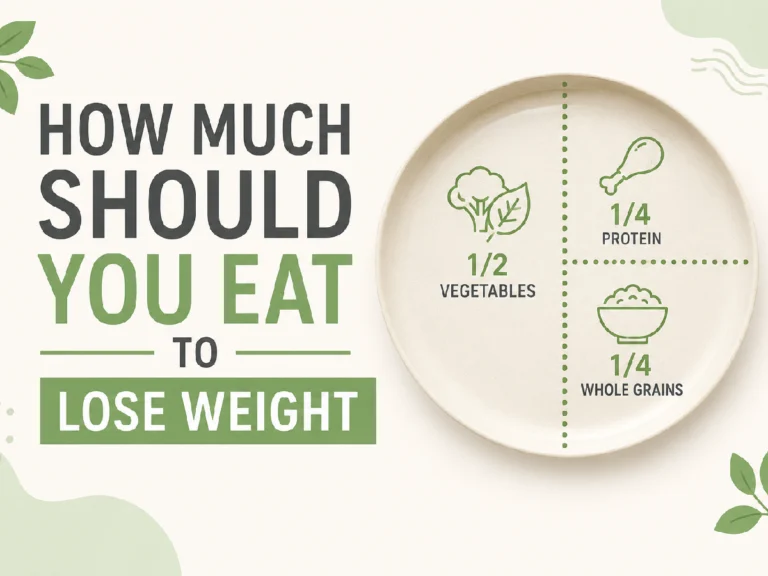
The Balanced Plate Method
Suppose your plate is cut up into parts. One half of your plate is all vegetables or foods high in fiber, the other half has a component of protein and moderately high carbohydrates.
This method does not require to be precise. It is a loose set of rules that will assist you in making balanced meals without thinking too much about it.
The balanced plate method works well because it simplifies portion awareness visually.
Benefits of this method include:
- Easier meal building
- Better portion balance
- Less stress around food
- Improved fullness
- Practical use in restaurants and at home
Simple visual systems are often easier to follow consistently than complicated diet plans.
Balance At Breakfast (Where Majority Of People Have Difficulties)
Breakfast is the most unbalanced meal of the day. Most of the popular ones are rich in carbohydrates and low in protein, meaning that they are easy to digest and do not keep you long.
Many breakfast foods such as sugary cereals, pastries, muffins, or sweet coffee drinks provide quick energy but very little lasting fullness. As a result, hunger may return quickly, increasing cravings and snacking later in the day.
Improving breakfast balance can make a significant difference in overall appetite control. Meals that include protein and fiber tend to support steadier energy levels and reduce mid-morning hunger.
Breakfast does not need to become complicated. Small adjustments often create noticeable improvements in fullness and eating consistency throughout the rest of the day.
Better Your Breakfast
Protein source can make a great difference in your breakfast. Even minor adjustment can assist you in remaining fuller and decrease cravings afterward in the day.
It is not aimed to make the breakfast perfect, but more balanced and fulfilling.
Helpful balanced breakfast ideas include:
- Eggs with toast and fruit
- Greek yogurt with oats and berries
- Oatmeal with nuts and protein
- Cottage cheese with fruit
These meals generally provide more stable energy and fullness compared to highly processed breakfast options.
Eating Out Balanced Meals
Dining out will not have to be a derailment to your progress. Restaurant food might be more nutritious, but even with a simple solution balance can be achieved.
Many busy adults regularly eat outside because of work schedules, travel, or social events. Trying to avoid restaurants completely is often unrealistic. Instead, learning how to create balanced meals in restaurants is a more sustainable approach.
Restaurant meals become easier to manage when you focus on structure instead of perfection. Looking for protein, vegetables, and moderate carbohydrates can help create a more balanced meal without overthinking every calorie.
This flexible approach allows you to enjoy social meals while still supporting your long-term health goals.
When Eating Out, A Pragmatic Approach
Pay attention to incorporating a protein source, a few vegetables, and an adequate amount of carbohydrates. Perfect choices need not be made all the time, it is a matter of consistency over time.
Simple restaurant habits may include:
- Choosing grilled proteins more often
- Adding vegetables when available
- Managing portion sizes
- Eating slowly
- Stopping when comfortably satisfied
These small habits are usually more effective long term than trying to eat perfectly in every restaurant situation.
What Would Happen When You Began Eating This Way?
Although it may take you a few weeks to see the difference, when you start to eat balanced meals regularly, the difference is frequently evident. Hunger is more regulated, energy level is balanced and cravings start to decrease.
This is because now your food is nourishing your body rather than taking it away.
Many people also notice that eating becomes mentally easier. Instead of constantly worrying about “good” and “bad” foods, meals become more structured and predictable.
Balanced eating often creates:
- Better fullness
- More stable energy
- Reduced cravings
- Easier portion control
- Less stress around food
These gradual changes are usually more sustainable than dramatic short-term dieting results.
The Reason Why This Method Is Sustainable Is Clarified
Extreme diets require motivation which may vary day by day. On the other hand, balanced eating is based on routine.
You can make a healthy meal anywhere when you know how to make it at home, at work or even on the road. This uniformity is what brings about the success in the long run.
Sustainability matters because long-term fat loss depends on habits that can realistically continue during busy schedules, social situations, vacations, and stressful periods.
Balanced eating is easier to maintain because:
- It allows flexibility
- It reduces restriction
- It supports fullness naturally
- It fits everyday life more easily
Healthy eating becomes more practical when it feels realistic instead of extreme.
Final Thoughts
You do not require ideal food selections to lose weight. The most important thing is to prepare meals that contain protein, fiber, and carbohydrates in equal amounts and still be satisfying.
Eating gets easier and more sustainable when you switch your mindset to restriction to balance. It is easier to feel hungry and fat loss is more achievable to busy adults.
Balanced meals help remove unnecessary confusion around healthy eating. Instead of focusing on strict food rules, you focus on creating meals that support fullness, energy, and consistency.
Over time, these simple habits become easier to repeat. Grocery shopping becomes more organized, restaurant meals feel less stressful, and food decisions require less mental effort. Sustainable weight loss is usually built through realistic routines that fit daily life, not through perfection or extreme restriction.