Table of Contents
If you’re a busy adult trying to lose weight, you’re probably not struggling because you don’t know what to do. You’re struggling because your life doesn’t slow down long enough for you to do it consistently.
You wake up with good intentions. Maybe you even plan to eat better that day. But then work gets hectic, meetings run longer than expected, something urgent comes up at home, and before you realize it, you’re grabbing whatever is quick and convenient. By the end of the day, you feel like you’ve “messed up again.”
And this cycle repeats.
You’re not alone in this. In fact, this is exactly where most adults get stuck. It’s not a lack of motivation. It’s a mismatch between real life and unrealistic weight loss advice.
Most plans expect you to:
- Cook every meal perfectly
- Avoid your favorite foods
- Exercise consistently, no matter what
- Follow strict routines daily
But your life doesn’t work like that, and it’s not supposed to.
The truth is, you don’t need more discipline. You need a system that works when your day doesn’t go as planned.
This guide is designed for you, the busy adult who wants results but also needs flexibility. By the end, you’ll understand what actually works, why you’ve felt stuck, and how to finally build a routine that fits your life instead of fighting it.
One of the biggest misconceptions about fat loss is that successful people always follow perfect routines. In reality, long-term success usually comes from simple habits repeated consistently, even during stressful or unpredictable days. Busy adults often struggle not because they lack knowledge, but because most weight loss advice does not fit into real-world schedules. Sustainable fat loss becomes much easier when healthy habits are practical, flexible, and realistic enough to continue long term instead of only during highly motivated periods.
Why Weight Loss Feels So Hard When Life Is Already Busy
Let’s be honest for a moment.
Weight loss doesn’t feel hard because eating healthy is confusing. It feels hard because your day is unpredictable, and most advice doesn’t account for that.
Think about your typical week. Some days are smooth, but others are not. On those busy days, everything changes: your meals, your sleep, your energy, even your mood. And when one part of your routine breaks, everything else follows.
There are a few reasons this keeps happening, and once you see them clearly, things start to make more sense:
- Your schedule changes more than you realize, which makes strict plans hard to follow
- Stress builds up quietly and shows up as cravings or late-night eating
- Convenience food becomes the easiest option when time is limited
- Sleep gets pushed aside, which affects hunger and energy the next day
None of these means you’re doing something wrong. They mean your lifestyle needs a different approach.
The real problem isn’t that weight loss is complicated. It’s that your current strategy doesn’t work on your busiest days. And those are the days that matter the most.
Busy schedules create inconsistency, and inconsistency makes fat loss feel harder than it actually is. Many adults start the day with good intentions, but stress and exhaustion slowly affect food choices throughout the day. This is why strict meal plans often fail in real life. Healthy eating becomes difficult when it depends entirely on motivation or perfect conditions. A more sustainable approach is creating habits that still work during stressful days, travel, late meetings, and unexpected schedule changes. Flexibility is often more important than perfection for long-term success.
What A Real Busy Day Looks Like (And How To Handle It)
Most advice sounds good in theory, but your reality looks different.
There are days when you wake up late, skip breakfast, rush into work, and don’t get a proper meal until mid-afternoon. By evening, you’re exhausted, hungry, and not in the mood to cook anything healthy. So you eat whatever is quick and satisfying.
That’s not a “bad day.” That’s a normal, busy day.
Instead of trying to avoid these days, your goal should be to handle them better. Even small adjustments, like having a quick protein-based option ready or not skipping meals completely, can prevent things from going off track.
Weight loss becomes easier when your system works on your busiest days, not just your ideal ones.
Most people fail because they build routines designed only for perfect days. Real life includes traffic, stress, missed meals, work pressure, social obligations, and low-energy evenings. A sustainable weight-loss system prepares for those situations instead of pretending they will never happen.
Helpful strategies for busy days may include:
- Keeping quick balanced meals available
- Having protein-based snacks ready
- Avoiding long periods without eating
- Simplifying meal choices
- Preparing easy “default meals”
These small adjustments help reduce impulsive eating and make healthy decisions easier when mental energy is low. Sustainable fat loss usually depends on preparation more than willpower.
Weight Loss Vs. Fat Loss: Why The Scale Confuses You
One frustrating moment in your journey is stepping on the scale and not seeing any progress. This can be especially discouraging when you feel like you’ve been trying hard.
But here’s something most people don’t fully realize: the scale doesn’t tell the full story.
Body weight naturally changes from day to day for many reasons unrelated to fat gain. Water retention, sodium intake, digestion, hormones, sleep, and stress can all temporarily affect scale weight. Because of this, many people wrongly assume they are failing even when real progress is happening.
Understanding the difference between weight loss and fat loss is important because it helps reduce unnecessary frustration. Fat loss is usually slower but more meaningful. Instead of focusing only on daily numbers, it is more useful to observe long-term patterns and physical changes over time. This mindset often makes consistency easier because progress feels less emotionally tied to short-term fluctuations.
Why Your Weight Fluctuates Daily
Your body weight changes for many reasons that have nothing to do with fat gain. A salty meal, poor sleep, stress, or even a late dinner can cause your body to hold onto water. This can temporarily increase the scale.
So when you see that number increase, it doesn’t mean you gained fat overnight.
Short-term weight fluctuations are completely normal. In fact, body weight can change several pounds within a few days because of water balance and digestion alone.
Common reasons for temporary weight increases include:
- High sodium meals
- Hormonal changes
- Poor sleep
- Stress
- Digestive changes
- Eating later than usual
Understanding these factors helps reduce emotional reactions to the scale and encourages a more realistic view of progress.
What Real Progress Actually Looks Like
Fat loss is slower, but it shows up in more meaningful ways. You might see that your clothes fit better or that your waist feels smaller. You could also notice a change in how you look in the mirror before the scale shows any difference.
That’s real progress.
Real fat loss usually appears gradually through consistent habits rather than dramatic overnight changes. Many people notice improvements in energy, confidence, mobility, or appetite control before major changes appear on the scale.
Signs of meaningful progress may include:
- Clothes fitting more comfortably
- Better energy levels
- Reduced bloating
- Improved eating habits
- Increased consistency
- Better physical confidence
These changes often indicate positive progress even when scale weight changes slowly.
How To Measure Progress Without Losing Motivation
Instead of relying only on the scale, start paying attention to patterns over time. Look at your weekly average weight instead of daily changes, notice how your clothes fit, and how your body feels.
When you shift your focus like this, you stop reacting emotionally to small fluctuations and start seeing the bigger picture. And that alone can help you stay consistent longer.
Long-term trends are much more useful than isolated weigh-ins. One difficult day does not erase progress, just as one perfect day does not create immediate transformation.
Helpful ways to track progress include:
- Weekly weight averages
- Progress photos
- Waist measurements
- Energy levels
- Fitness improvements
- Eating consistency
These methods create a more balanced and realistic understanding of how your body is changing over time.
Why Extreme Diets Always Seem To Work Until They Don’t
At some point, you’ve probably tried a strict diet that gave you quick results. And for a moment, it felt like you had finally found the solution.
But then something changed.
Maybe it was a stressful week. Maybe you had to travel. Maybe you just got tired of following so many rules. And suddenly, the plan that seemed “perfect” became impossible to maintain.
This is where most people blame themselves. But the issue isn’t you, it’s the design of the diet.
When you decide to follow extreme diets, it fails because they don’t fit into real life. They rely on perfect conditions, and your life is anything but perfect.
Here’s what typically happens:
- You follow strict rules for a short time
- You see quick results (often water loss)
- Life interrupts your routine
- You fall off track and feel like you failed
This creates a cycle of starting over again and again.
What you actually need is not a stricter plan, but a more flexible one. A system that still works when your schedule gets messy, not just when everything is going smoothly.
Extreme diets often create fast initial results because of water loss and temporary calorie reduction, but they are difficult to maintain long term. Highly restrictive plans may increase cravings, mental exhaustion, and feelings of failure whenever life becomes unpredictable.
Health organizations like the Centers for Disease Control and Prevention generally emphasize sustainable lifestyle habits instead of aggressive short-term dieting. Long-term fat loss usually depends more on consistency, balanced eating, and realistic routines than on temporary extreme restrictions.
How To Stay Consistent When Motivation Is Low
Let’s be honest, motivation doesn’t last.
There will be days when you don’t feel like eating healthy, walking, or following any routine. That’s completely normal. The mistake most people make is relying on motivation to stay consistent.
Instead, focus on making your habits easier to follow.
Think about it this way: if your meals are simple, your routine is predictable, and your decisions are reduced, you don’t need motivation; you just follow the system.
Consistency doesn’t come from feeling motivated every day. It comes from having a structure that requires less effort to maintain.
Motivation naturally changes depending on stress, sleep, mood, and daily responsibilities. This is why systems and routines are often more reliable than emotional motivation alone.
Simple systems may include:
- Preparing repeatable meals
- Scheduling walks into your day
- Keeping healthy foods visible
- Reducing complicated decisions
- Planning for busy situations
The easier healthy habits become, the less mental energy they require. This makes long-term consistency far more realistic for busy adults.
The Sustainable Fat Loss Formula
To lose weight in a healthy way, keep it simple. Instead of following strict diets, remember three things: simple eating structure, creating good habits, and realistic expectations.
A simple eating structure just means having a way of eating that fits into your everyday life without feeling confusing. You know what to eat most of the time, you include some protein, keep meals balanced, and don’t stress if things aren’t perfect. The focus is on staying consistent, not perfect.
Your daily habits have a big impact on how easy or hard weight loss feels. Things like how well you sleep, how stressed you are, and how much you move during the day all affect your hunger, energy, and ability to stay on track. When these areas are off, even the best diet starts to feel difficult to follow.
Finally, realistic expectations are essential. Fat loss takes time, and progress is not always linear. By focusing on long-term consistency instead of short-term results, you create a system that is sustainable.
When you start thinking this way, everything changes. You stop asking, “What’s the fastest way to lose weight?” and start asking, “What can I actually stick to?”
And that shift is what leads to real results.
Sustainable fat loss is usually built on repeated behaviors that fit naturally into everyday life. The goal is not perfection, but creating routines that continue even during stressful periods or imperfect weeks.
Core habits that often support long-term fat loss include:
- Balanced meals
- Consistent meal timing
- Adequate sleep
- Regular movement
- Flexible thinking around food
These habits may seem simple, but repeated consistently over time, they often create meaningful and lasting progress.
Simple Eating Habits You Can Follow Even On Busy Days
You don’t need a complicated meal plan to lose weight. You need something that works when you’re busy, tired, or not in the mood to think too much about food.
Start by focusing on a few key habits that naturally improve your eating without adding stress:
- Include a source of protein in your main meals so you feel fuller for longer
- Avoid skipping meals, especially during busy days, to prevent overeating later
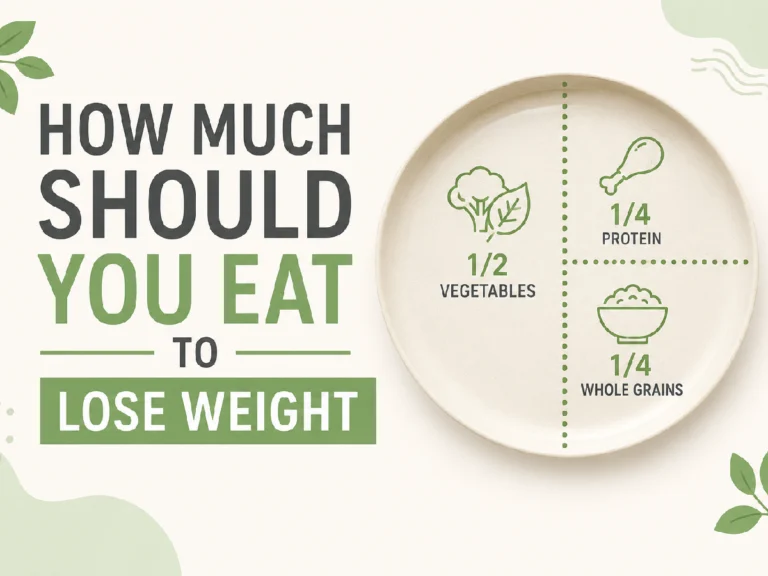
- Build balanced meals that include protein, fiber, and carbs in reasonable portions
- Be mindful of portion sizes instead of completely cutting out foods you enjoy
- Reduce high-calorie drinks that don’t keep you full
One of the most helpful strategies is having “default meals.” These are simple meals you can rely on when you don’t have time to think. It could be something like eggs and toast, a chicken bowl, or yogurt with fruit. The goal is not variety, it’s consistency.
When your eating becomes predictable, your results become predictable too.
Small habits repeated consistently are usually more effective than trying to follow highly restrictive diets perfectly for short periods. Busy adults often benefit from reducing food-related complexity rather than adding more rules.
Helpful “default meals” may include:
- Oatmeal with Greek yogurt
- Rice with chicken and vegetables
- Eggs with toast and fruit
- Cottage cheese with berries
These meals are simple, balanced, and easier to repeat during stressful schedules.
Eating Out, Social Events, And Real Life Situations
You’re not going to eat at home every single day, and you shouldn’t have to.
There will be dinners, social gatherings, work events, and spontaneous plans. These are part of your life, not obstacles.
The goal is not to avoid these situations but to navigate them better.
You don’t need to overthink it. Just keep a few simple ideas in mind:
- Eat a bit lighter earlier in the day
- Prioritize protein when possible
- Don’t go into meals extremely hungry
- Enjoy the experience without guilt
One meal will never ruin your progress. But the mindset around that meal can.
Many people struggle socially because they believe healthy eating requires perfection. In reality, flexibility is one of the most important parts of sustainable fat loss.
Social eating becomes easier when you:
- Focus on balance instead of restriction
- Avoid “all-or-nothing” thinking
- Return to normal eating afterward
- Stop attaching guilt to meals
Healthy eating should fit into real life, not isolate you from it.
Lifestyle Habits That Quietly Make Everything Easier
Many people focus only on food, but your lifestyle plays a huge role in how easy or difficult weight loss feels.
Think about how you feel after a night of poor sleep. You’re hungrier, more tired, and less likely to make good decisions. Now imagine that happening multiple times a week. Over time, it adds up.
The same goes for stress. When stress builds up, your brain looks for quick relief, often in the form of food. This is why you may find yourself snacking even when you’re not physically hungry.
Instead of trying to “fix everything,” focus on small changes that fit into your life:
- Add short walks into your day, even if it’s just 10–15 minutes
- Try to maintain a consistent sleep schedule when possible
- Take small breaks to reset during stressful days
- Simplify your routine so you don’t have to make too many decisions
These habits may seem small, but they remove a lot of the friction that makes weight loss feel hard.
Lifestyle habits strongly affect hunger, cravings, energy, and eating behavior. Poor sleep and chronic stress may increase appetite-regulating hormones and make high-calorie foods feel more appealing.
Simple lifestyle improvements often make healthy eating easier naturally because the body feels more regulated and energized throughout the day.
How Long Does It Actually Take To See Real Results
This is where many people lose patience.
You might follow your plan for a week or two, not see dramatic changes, and start wondering if it’s even working. But healthy fat loss doesn’t happen overnight.
A realistic rate is slow and steady. Some weeks you’ll see progress, and other weeks you won’t. That doesn’t mean you’re failing; it means your body is adjusting.
Here’s what progress usually feels like:
- In the first couple of weeks, you may feel lighter and less bloated
- After a month, small physical changes become noticeable
- After a few months, the difference becomes clear
Most people quit before reaching this stage, not because it doesn’t work, but because they expect it to happen faster.
Healthy fat loss is usually gradual because sustainable habits take time to create noticeable physical changes. Quick-fix expectations often cause frustration and unnecessary discouragement.
Long-term progress typically involves:
- Better eating consistency
- Improved energy
- Reduced cravings
- Gradual physical changes
- Better routine stability
Patience is important because meaningful and sustainable progress rarely happens instantly.
Common Mistakes That Keep You Stuck
If you’ve been trying to lose weight but feel stuck, it’s likely not because you’re doing everything wrong. It’s usually because a few small mistakes are repeated consistently.
- Trying to be perfect for a few days and then quitting when things go wrong
- Eating too little during the day and overeating later
- Believing you need intense workouts to lose fat
- Making your plan too complicated to follow
The solution is not to try harder, it’s to simplify.
Focus on doing the basics well, even when your day isn’t perfect. That’s what creates long-term progress.
Many people unknowingly create systems that are too difficult to maintain long term. Extreme restriction, complicated meal plans, and unrealistic expectations often increase inconsistency rather than improving it.
Long-term success usually comes from:
- Simpler routines
- Better preparation
- Flexible thinking
- Consistent eating habits
- Realistic expectations
Small repeated behaviors generally matter more than short periods of perfection.
A Simple Way To Start Without Overthinking
If you’re starting fresh, the best thing you can do is keep it simple.
Begin by improving your meal structure. Once that feels manageable, add daily walking. Then focus on improving sleep and building a routine for busy days.
You don’t need to change everything at once. In fact, doing that often leads to burnout. Small steps, repeated consistently, lead to meaningful results.
Many people fail because they attempt to completely transform their lifestyle overnight. While motivation may feel high initially, overly aggressive changes are usually difficult to sustain long term.
A better approach is gradual improvement.
Helpful beginner priorities include:
- Building balanced meals
- Walking consistently
- Improving sleep habits
- Reducing liquid calories
- Creating repeatable routines
Progress becomes more sustainable when changes feel manageable instead of overwhelming.
What To Do After A “Bad” Day (Without Starting Over)
This is where most people get stuck.
You have a day where things don’t go as planned. Maybe you overeat, skip your routine, or just feel off. And then comes the thought: “I’ll restart from Monday.”
But here’s the truth: you don’t need to restart.
One off day does not undo your progress. What actually slows you down is turning one day into three or four days.
The best thing you can do is go back to your normal routine the very next meal. No punishment, no restriction, no guilt.
Progress comes from how quickly you return to your routine, not from being perfect.
All-or-nothing thinking is one of the biggest obstacles to long-term consistency. Many people believe one imperfect day means failure, which often leads to overeating or giving up temporarily.
A healthier mindset includes:
- Accepting imperfect days
- Avoiding guilt-driven restriction
- Returning to normal habits quickly
- Focusing on long-term patterns
Consistency improves when setbacks are treated as normal parts of life rather than reasons to quit.
Final Thoughts: Build A System That Works On Your Worst Days
Weight loss isn’t about finding the perfect plan. It’s about finding a plan that works when life isn’t perfect.
You don’t need extreme diets. You don’t need perfect discipline. And you don’t need to get everything right every day.
What you need is consistency.
Some days will go well. Others won’t. That’s normal. But if your system is simple, flexible, and realistic, you’ll always be able to come back to it.
And that’s the difference between temporary results and lasting change. When your plan works on your busiest, most stressful days, not just your best ones, that’s when real fat loss finally becomes sustainable.
Long-term fat loss usually happens when healthy habits become realistic enough to continue during busy schedules, stressful periods, vacations, and imperfect weeks. Sustainable systems are not built around motivation alone. They are built around preparation, flexibility, and consistency.
When healthy eating and lifestyle habits fit naturally into daily life, progress becomes easier to maintain. That is what makes lasting change possible for busy adults who want realistic and sustainable results instead of temporary dieting cycles.