Table of Contents
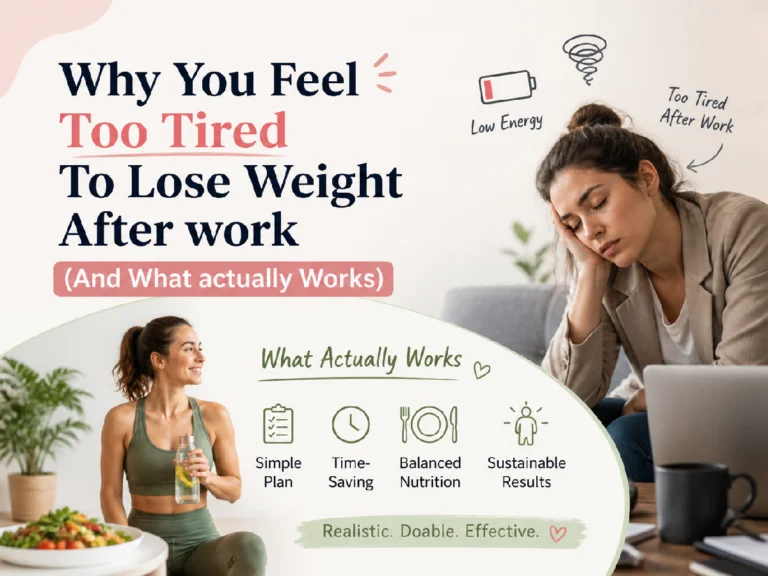
Almost all of us end up concentrating almost completely on food as we start on our weight loss journey as adults. They attempt to consume healthier, portion manage, and adhere to structured meals. This strategy seems reasonable on the face of it. And what you eat does make a difference in your weight.
Yet, with time, most individuals observe something frustrating. With improved food options, progress is perceived as slow or inconsistent. Hunger comes out of the blue, the desire to eat increases in the evening, and the energy decreases during the day. It has the effort but is not necessarily a result.
This detachment tends to cause doubt on self. It may seem like that something is wrong with your body or discipline.
As a matter of fact, it is not always about food. The mode of losing weight is highly dependent on the response of your body to stress, sleep patterns, and your day-to-day routine. These are the things that mute your appetite, your decisions and your consistency.routines reduce
When these areas are not supported, even the best diet becomes difficult to maintain.
Many busy adults focus only on calories and meal plans while ignoring the daily lifestyle factors that strongly affect appetite and energy. Stress, poor sleep, mental exhaustion, and long working hours can quietly influence food cravings, eating behavior, and consistency. This is why weight loss often feels harder during stressful periods even when food choices improve. Understanding how your body responds to lifestyle pressure helps create a more realistic and sustainable approach to fat loss. When recovery, sleep, and stress management improve, healthy eating habits usually become easier to maintain naturally.
Your Body Reacts To Daily Pressure, Not Just What You Eat
The human being is built to deal with brief spurts of stress. In previous days, stress was short lived, like when we are in a danger or when we are solving a problem at hand, then it is followed by a recovery. The body was able to get back to balance by this cycle.
The contemporary life functions in a different manner.
Deadlines, frequent interruptions, excessive work hours and mindfulness give rise to a kind of stress that cannot be easily turned off. Stress is not temporary but rather sustained.
Modern stress is often constant and low-level rather than short and temporary. Many adults stay mentally active for long periods without enough recovery, which can affect both physical and emotional health over time. Even when the stress does not feel extreme, the body still reacts to repeated mental pressure.
This prolonged stress can influence:
- Hunger signals
- Energy levels
- Cravings
- Sleep quality
- Motivation to exercise
As these effects accumulate, maintaining healthy routines becomes more difficult. This is why weight loss is not only about food choices but also about how daily life affects the body’s overall balance and recovery systems.
Continuous Stress: What It Does To Your Body
Once stress becomes the order of the day, your body will start to get used to it and go out of ways to complicate the fat loss process. The appetite might be less predictable, the desire to eat high-calorie foods might rise, and the energy level tends to vary. Sleep can also be lightened or interrupted.
It is not a failure on personal level. It is your body responding to an environment that demands constant attention and effort.
This change is significant to understand since it modifies your approach to losing weight. You start to realize that the day-to-day setting plays a role instead of thinking about what you eat.
Chronic stress affects multiple systems in the body at the same time. Stress hormones such as cortisol may influence appetite, cravings, sleep, and energy regulation. This often creates patterns where healthy habits feel more difficult even when motivation is present.
People under long-term stress may notice:
- More evening cravings
- Lower patience around food
- Emotional eating patterns
- Reduced motivation to exercise
- Increased fatigue during the day
Recognizing these responses helps reduce self-blame and encourages a more realistic strategy focused on recovery and sustainable habits instead of relying only on discipline.
Why Stress Makes You Hungrier Than Usual
Among the most evident effects of stress, there is a change in relationship with food. In times of stress, comfort foods become more appealing, particularly high sugar or high fat foods.
This is because stress hormones such as cortisol have the power to enhance appetite and make some foods more attractive. Your brain is not trying to sabotage your progress, it is trying to find quick relief.
Stress-related eating is extremely common because the brain naturally looks for rewarding and comforting experiences during mentally demanding periods. Highly processed foods often feel especially satisfying because they provide quick pleasure and temporary emotional relief.
This pattern becomes stronger when stress combines with fatigue or lack of sleep. In those moments, long-term health goals feel less important than immediate comfort. Understanding this helps explain why cravings can feel unusually intense after difficult workdays or emotionally draining situations.
Recognizing stress eating patterns is important because it allows you to respond with awareness instead of guilt or frustration.
Emotional Side Of Eating
A basic, balanced meal might not be as satisfying as a snack or a take-out after a long and hard day. Food is more than just a source of energy; it is a form of relaxation.
Unless this pattern is identified, it might be easily mistaken with the lack of willpower. As a matter of fact, it is a natural reaction to mental and physical tiredness.
Emotional eating usually develops because food becomes connected with comfort, reward, or stress relief rather than only physical hunger.
Common emotional eating triggers may include:
- Work stress
- Mental exhaustion
- Loneliness
- Frustration
- Boredom
- Lack of sleep
This does not mean someone lacks discipline. It means the brain is searching for emotional relief. Learning to recognize these triggers often helps create healthier coping strategies without relying entirely on restriction.
How Stress Quietly Changes The Way You Eat
Stress has not only an impact on what you eat, but also the way you eat. When you have your head on work or work, you become less aware when you are at the table.
You can end up eating fast, clearing your plate without feeling full or snacking when you are busy. Such actions are usually automatic with no purposeful intent.
Stress often reduces awareness during meals because attention remains focused on work, problems, or distractions instead of hunger and fullness cues. This can make overeating happen unintentionally.
Busy adults commonly eat while:
- Working
- Watching television
- Checking phones
- Driving
- Handling responsibilities
When eating becomes distracted, the brain may not fully register satisfaction, which can increase the likelihood of eating larger portions or snacking shortly afterward. Understanding this connection helps improve awareness around eating habits instead of focusing only on calorie counting.
Attention And Eating
Low awareness eating may result in eating more than you need to consume. After that it can be confusing since you are thinking that you have been eating normally.
However, in most situations, it is not the ignorance of healthy eating. It is the absence of attention to the very process of eating, which is strongly affected by stress and mind burden.
Mindless eating is extremely common during stressful periods because the brain is overloaded with information and decisions.
Helpful ways to improve eating awareness may include:
- Eating without screens
- Slowing down during meals
- Taking short pauses while eating
- Sitting down instead of eating while working
These simple habits improve awareness of fullness and satisfaction, which may naturally support better portion control over time.
The Secret Factor That Determines Hunger Is Sleep
Although stress preconditions, sleep influences your appetite the following day very strongly. In case of insufficient or irregular sleep, the signals of hunger in the body get difficult to control.
A study conducted at the Centers for Disease Control and Prevention points out that poor sleep correlates with hunger, more intense cravings as well as high chances of gaining weight.
Sleep plays a major role in regulating appetite hormones, energy balance, and food cravings. When sleep becomes inconsistent or insufficient, the body often increases hunger signals while reducing fullness signals. This can make healthy eating feel significantly harder even when someone is trying to stay disciplined.
Poor sleep may also reduce motivation for movement and exercise while increasing emotional eating tendencies. Over time, these effects can slowly influence body weight and eating consistency.
Improving sleep quality often helps healthy routines feel easier because the body and brain function with more energy, patience, and stability.
What Happens When You Don’t Get Enough Sleep
Following a bad sleep, the body is more inclined to send out hunger signals and lessen the body-full signals. Meanwhile, your brain is in search of fast energy, which can be high-calorie food.
This combination makes it much harder to stick to your usual eating plan, even if you start the day with good intentions.
Lack of sleep often increases cravings for quick-energy foods such as sugary snacks, fast food, and processed carbohydrates.
Common effects of poor sleep may include:
- Increased hunger
- Stronger cravings
- Lower energy
- More emotional eating
- Reduced patience and focus
These responses are biological, not personal failures. Sleep strongly affects the brain systems involved in appetite and decision-making.
Why Going To Bed Late Is The Reason To Eat More Calories
Eating also depends on the sleeping patterns. As the time of your bedtime increases, so does the time of your eating. The increased time awake gives more time to eat, particularly at night.
Eating at night is not usually associated with hunger but with routine, accessibility, and exhaustion.
Late-night eating often happens because evenings combine boredom, fatigue, stress, and easy access to food. After a long day, eating may become part of relaxation rather than physical hunger.
Staying awake longer also increases opportunities for:
- Snacking
- Mindless eating
- Emotional eating
- Larger evening portions
This pattern can slowly increase calorie intake over time even when daytime meals seem balanced. Understanding nighttime eating habits helps create more awareness around routines instead of assuming the issue is only hunger.
The Trend Of Evening Snacking
It is common to relax on TV or phone after a long day. Eating may be automatic during this period. You might not be physically hungry, however, the process of eating is relaxing and trouble-free.
In the long run, these additional calories may slow down your progress, despite balanced main meals.
Evening snacking often becomes habitual because certain environments trigger automatic eating behavior.
Examples include:
- Watching television with snacks
- Eating while scrolling on the phone
- Snacking late during work
- Eating simply because food is available
Becoming more aware of these routines can help reduce unnecessary eating without extreme restriction.
Work Life Minimizes Movement More Than You Think
Your work and its impact on your physical activity is another important consideration. Most of the jobs in the present day require the individual to spend a lot of time sitting at a desk, during meetings or on the way to work.
Although you might be working out a couple times a week, your total daily activity might be less than anticipated.
Many adults overestimate how active they are because exercise sessions feel productive. However, long hours of sitting can significantly reduce overall daily movement.
Daily movement includes:
- Walking
- Standing
- Climbing stairs
- General activity during routines
These smaller movements contribute to calorie expenditure and overall health. When work routines involve prolonged sitting, energy expenditure may become lower than expected even with occasional workouts. This is one reason why regular movement throughout the day is important for long-term weight management and overall well-being.
Why Movement Is Important Everyday?
Weight management is not only influenced by workouts but also by small movements throughout the day. Walking, standing and being active in general add to the number of calories your body burns.
This background activity is reduced when you spend most of your day sitting at work, and this can slow down fat loss in the long-term.
Daily movement also supports circulation, energy levels, mood, and overall physical health.
Simple movement habits may include:
- Short walking breaks
- Standing more often
- Taking stairs
- Walking during phone calls
- Stretching throughout the day
These small actions may seem minor individually, but repeated daily, they contribute significantly to overall activity levels.
Getting Tired Makes It Difficult To Make Healthy Choices
When you are tired, the choices that you make are quite different to the choices that you make when you are rested and focused.
After a demanding workday, cooking a balanced meal may feel overwhelming. In that moment, convenience becomes the priority.
Fatigue changes the way the brain approaches decisions. When energy is low, the brain naturally looks for options that require the least effort. This is why convenience foods become more attractive after stressful or exhausting days.
Healthy choices often feel easier during mornings because mental energy is stronger. By evening, decision fatigue and physical exhaustion reduce patience for planning, cooking, or exercise.
Understanding this pattern helps explain why consistency becomes difficult during stressful weeks. The issue is usually not knowledge but low mental and physical energy.
The Low-Energy Decision Making
Feeling tired cuts down on patience and makes work more challenging. Consequently, fast and easy food choices are more attractive.
This is not due to the fact that you are not discipline, but your brain is just attempting to conserve energy. That is why simple routines can be quite helpful, particularly in the evening.
Low-energy evenings often increase the likelihood of:
- Ordering takeout
- Skipping workouts
- Choosing snacks over meals
- Eating impulsively
Simple meal systems and routines reduce the need for difficult decisions when energy is low. This often makes consistency easier than relying entirely on motivation.
Why Evenings Often Feel Like The Hardest Time Of Day
It is observed by many that they can control their eating habits more in the morning and afternoon but struggle during the night.
This is not a chance occurrence. By the evening, you are less mentally energized, there might still be some stress left at the end of the day and you are less able to make decisions.
Evenings combine several difficult factors together:
- Mental fatigue
- Physical hunger
- Stress accumulation
- Reduced motivation
- Easy access to convenience food
This combination naturally makes self-control harder. Many people assume they simply lack discipline at night, but evening eating patterns are often strongly connected to energy depletion and stress.
Understanding this helps create more realistic strategies based on preparation and simplicity instead of guilt and unrealistic expectations.
Understanding The “Evening Struggle”
After making countless decisions throughout the day, your brain begins to look for easier options. Fighting food is not an easy task, and it is more difficult to sustain the nighttime.
Being aware of this trend can make you more aware of it rather than being frustrated by it.
Helpful evening strategies may include:
- Planning meals earlier
- Preparing leftovers
- Keeping balanced snacks available
- Reducing late-night screen eating
Simple systems usually work better because they lower the mental effort required during periods of low energy.
The First Step To Losing Weight Is To Support Your Habit
Among the key factors that have been ignored in weight loss, changing your day to day routine before making drastic changes in your diet is one of the most important strategies.
As stress diminishes and sleep enhances, your appetite tends to become more stable. The cravings are reduced and portion control becomes more natural.
Healthy habits become easier when the body is supported properly. Better sleep, lower stress, and improved recovery often create conditions where balanced eating feels more manageable naturally.
Many people try to force strict dieting without improving the lifestyle factors affecting hunger and energy. This often leads to frustration because the body continues working against consistency.
Supporting recovery first usually makes:
- Appetite more stable
- Cravings less intense
- Energy levels more consistent
- Healthy decisions easier
This creates a more sustainable environment for long-term fat loss.
Why This Strategy Is Effective
Rather than imposing strict guidelines, you are managing to provide an atmosphere in which superior decisions become easier. The constant reaction of your body to stress and fatigue is now over and consistency is more achievable.
Sustainable weight loss works best when healthy choices feel simpler instead of constantly requiring willpower.
Benefits of this supportive approach may include:
- Less emotional eating
- Better consistency
- Improved recovery
- Reduced mental exhaustion
- Easier portion control
This is often more realistic for busy adults than trying to maintain highly restrictive diet systems.
Minor Things That Produce Observable Outcomes
To achieve improvements in your lifestyle, you do not have to undergo a total redesign. Even minor changes can help your body in significant ways.
Going to bed a little earlier, taking quick breaks throughout the day, and establishing a simple evening routine can all assist them reduce stress and enhance recovery. These are not the major changes, but they directly have an impact on your mood and eating habits.
Small consistent actions often create more sustainable improvements than dramatic lifestyle overhauls. Many adults become overwhelmed trying to change everything at once, which usually makes routines harder to maintain.
Simple improvements may include:
- Drinking more water
- Taking short walks
- Sleeping slightly earlier
- Reducing screen time before bed
- Planning meals ahead
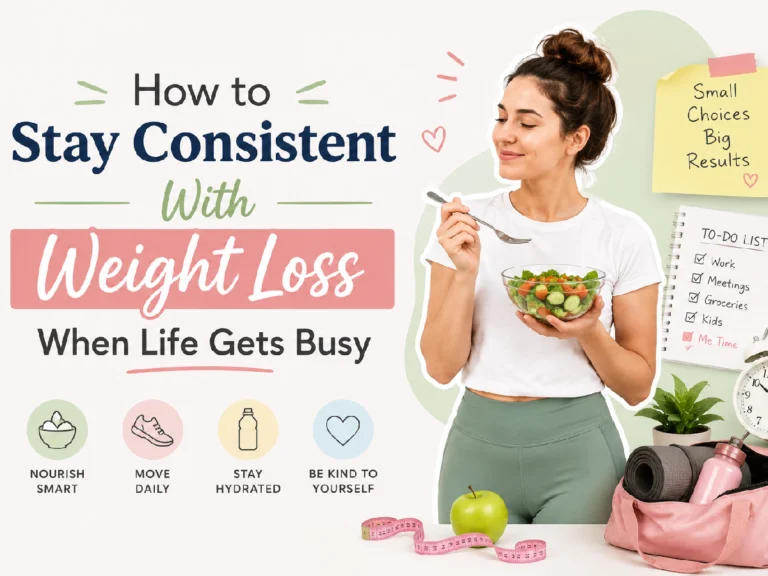
These habits may seem minor individually, but together they support better recovery, appetite regulation, and consistency over time.
You Are Not Working Against Your Body
It is easy to think that your body is in opposition to change when progress feels slow. In the majority of situations, though, your body is merely reacting to the message it gets.
Stress, sleeps, and low movement are all signals that influence hunger, cravings and energy consumption.
The body constantly responds to its environment. When stress is high, recovery is poor, and movement is limited, the brain naturally prioritizes comfort, energy conservation, and appetite stimulation.
This does not mean your body is “broken.” It means your current environment is affecting your eating behavior and energy patterns. Understanding this often reduces frustration and helps people approach fat loss with more patience and realism.
Long-term progress usually becomes easier when healthy habits work with the body’s natural responses instead of constantly fighting against them.
Changing The Inputs Changes The Outcome
When you enhance these signals, even by a bit, your body starts to react in a different way. Eating is less hard to control, and healthy habits feel less forced.
Small changes in lifestyle signals may gradually improve:
- Hunger regulation
- Energy stability
- Cravings
- Sleep quality
- Motivation levels
Over time, these improvements make consistency feel more achievable and less exhausting.
The Goal Is Progress, Not Perfection
It is not possible to do away with stress. There will never be a time when work and responsibilities are absent. It is not necessary to develop an ideal routine but a better one. When you support your body even a little more, everything else becomes easier to manage.
Perfection-based thinking often creates unnecessary pressure and frustration. Sustainable weight loss usually works better when people focus on gradual improvements instead of trying to control every detail perfectly.
Progress may involve:
- Better sleep habits
- More balanced meals
- Improved evening routines
- Increased daily movement
- Reduced stress eating
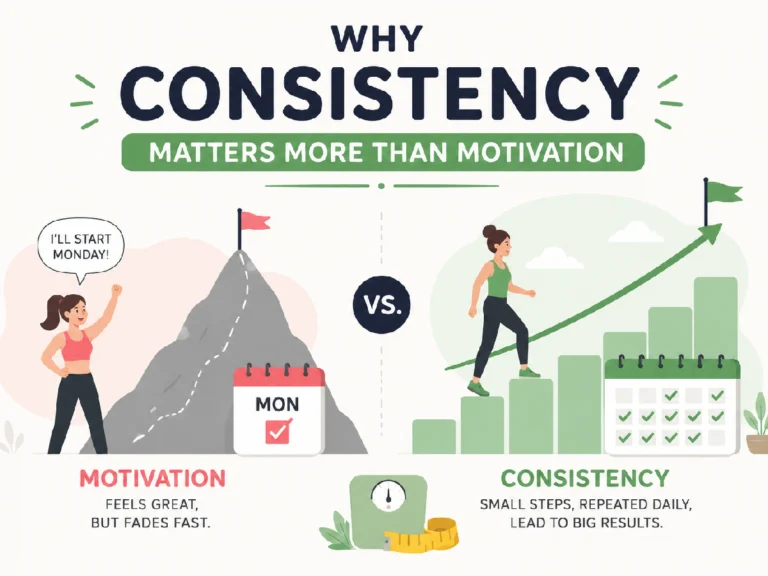
These small changes accumulate over time and create healthier long-term patterns. Consistency matters far more than perfect execution every day.
Conclusion
Weight loss is not just about what you eat. It is about how your daily life supports or challenges your efforts.
Stress, sleep, and work patterns influence your body in powerful ways. Once you start to learn and work on these areas, weight loss will be a more stable and permanent process.
You do not just use willpower, but you develop a system that cooperates with your body and not opposes it. And this is what provides busy adults with long-term success.
Sustainable fat loss becomes more realistic when healthy habits fit naturally into everyday life instead of depending entirely on motivation or strict control. Sleep, stress management, daily movement, and realistic routines all influence how easy or difficult healthy eating feels.
When these areas improve, appetite becomes more stable, energy increases, and consistency becomes easier to maintain. Long-term success usually comes from building a lifestyle that supports your body’s needs rather than constantly fighting against exhaustion and stress.