Table of Contents
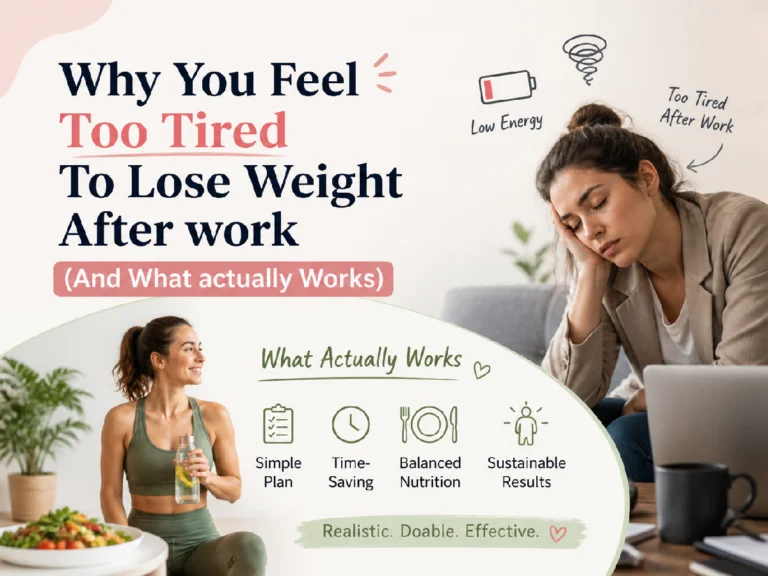
The fundamentals of weight loss, such as eating more vegetables, consuming enough protein, and staying physically active, are already understood by most people. The real challenge begins when life becomes unpredictable and demanding. Work pressure increases, family responsibilities grow, and mental exhaustion starts building throughout the week. During these periods, routines become harder to maintain, meals feel rushed, workouts are skipped, and consistency disappears faster than expected.
Many people interpret this as personal failure, but in most cases, the issue is not a lack of discipline. The real problem is that the system they were trying to follow was never designed for a busy and stressful lifestyle. Plans that depend on perfect schedules, constant motivation, or unlimited energy usually break down quickly in real-world situations.
Consistency during busy periods is not about doing everything perfectly. It is about having a flexible and realistic structure that still works when life becomes hectic. Sustainable weight loss is usually built through repeatable habits that continue even during stressful weeks, not through short periods of perfect behavior.
Why Busy Periods Disrupt Even The Best Weight Loss Plans
As life becomes busier and responsibilities increase, the brain naturally shifts into a mode focused on efficiency and energy conservation. In this state, your mind automatically searches for the easiest and quickest solutions instead of the most ideal ones. That is why cooking can begin to feel exhausting, meal preparation may seem mentally draining, and food delivery or highly convenient meals become much more appealing than carefully planned healthy choices.
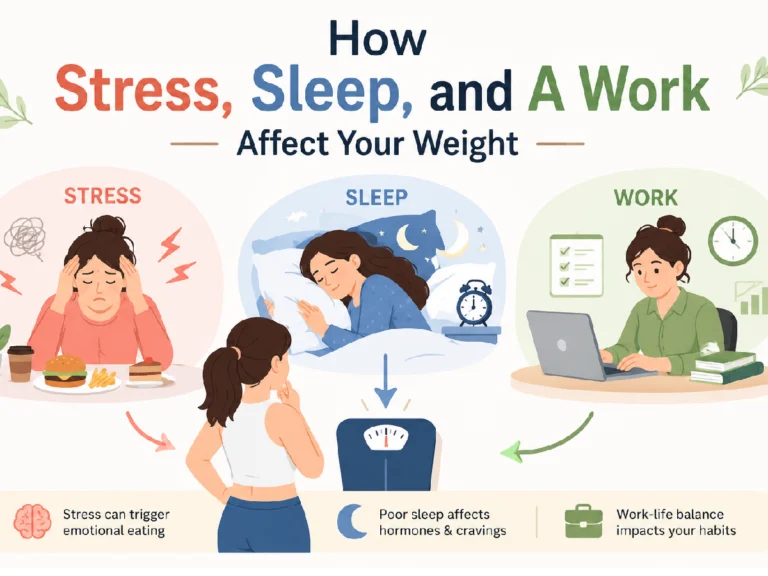
This is not a weakness or a lack of discipline. It is the body’s natural response to stress, mental overload, and fatigue. Weight loss plans that rely heavily on willpower, constant decision-making, or complicated routines often fail during stressful periods because they demand too much mental energy.
Busy adults usually experience:
- Increased mental fatigue
- Less patience for planning
- Stronger cravings for convenience foods
- Reduced motivation to exercise
- More impulsive eating behaviors
Understanding this pattern is important because it shifts the focus away from self-blame and toward building systems that are easier to follow during stressful situations. Healthy habits become more sustainable when they reduce effort rather than increase pressure.
The Misconception Of Perfect Consistency
A common belief about successful weight loss is that people must follow their routine perfectly every single day. While this sounds motivating in theory, it often creates unrealistic expectations that are impossible to maintain long term.
Even people who achieve long-lasting results experience interruptions such as late work hours, social events, emotional eating, travel, low motivation, or unexpected cravings. The difference is not that they avoid these situations completely. The difference is that they recover quickly instead of allowing one difficult moment to turn into several days or weeks of inconsistency.
Perfection-based thinking often creates unnecessary frustration because it turns normal human behavior into perceived failure. Sustainable weight loss is usually built through flexibility and recovery, not flawless execution.
Healthy long-term routines often include:
- Imperfect days
- Missed workouts
- Unplanned meals
- Stressful weeks
- Occasional overeating
What matters most is continuing the pattern overall rather than expecting constant perfection.
What Consistency Really Means In The Real World
True consistency does not mean never making mistakes. It means continuing healthy patterns over time even when occasional interruptions happen. A missed workout, an off-plan meal, or a stressful day does not erase progress unless it leads to completely abandoning the routine.
This perspective is extremely important because it removes unnecessary guilt and emotional pressure from the process. Instead of treating small setbacks as failures, they become temporary deviations that can be corrected with the next decision.
Real-world consistency focuses on:
- Returning to routines quickly
- Maintaining basic healthy habits
- Avoiding extreme reactions
- Staying flexible during stressful periods
This approach makes weight loss feel more manageable because progress is no longer dependent on perfect execution. Sustainable habits are easier to maintain when people understand that occasional imperfect days are part of normal life rather than evidence of failure.
How Little Failures Become Prolonged Interruptions
One of the most overlooked aspects of weight loss is not the setback itself, but the emotional reaction that follows it. A single off-plan meal or missed habit may seem small initially, but when interpreted as failure, it often lowers motivation and creates frustration.
Once motivation decreases, returning to healthy routines becomes harder. As a result, one difficult moment can gradually turn into several days or even weeks of inconsistency. This pattern is extremely common among busy adults who already feel mentally exhausted and overwhelmed.
Many people unintentionally create cycles such as:
- One missed workout becoming a skipped week
- One unhealthy meal leading to emotional overeating
- Temporary stress turning into routine disruption
These prolonged interruptions are usually caused more by mindset than by the original mistake itself. Recognizing this pattern helps prevent small setbacks from becoming long-term pauses in progress.
The Importance Of Immediate Recovery
It is usually far more effective to return to normal habits immediately after a setback instead of trying to “compensate” through restriction, guilt, or overcorrection. A simple return to regular eating patterns and normal routines helps maintain momentum and prevents small mistakes from becoming long-term setbacks.
Quick recovery reduces emotional pressure and keeps healthy habits stable. Instead of restarting from the beginning, you simply continue the process.
Helpful recovery habits may include:
- Returning to balanced meals
- Resuming normal routines the next day
- Avoiding extreme dieting after overeating
- Staying active without punishment-based exercise
This mindset supports long-term consistency because it keeps progress moving forward instead of constantly restarting after imperfect days.
Why Simpler Habits Work Better For Busy Adults
Complicated habits and detailed plans may sound impressive on paper, but they are usually difficult to maintain during stressful or busy periods. This is why simpler habits often produce better long-term results for busy adults.
When schedules become overwhelming, the goal should not be maintaining a perfect routine. The goal should be protecting a few essential habits that keep progress stable. Simplicity reduces mental effort and makes healthy behaviors easier to repeat consistently.
Examples of realistic habits include:
- Eating two or three structured meals daily
- Including protein in meals
- Avoiding constant snacking
- Drinking enough water
- Staying lightly active during the day
These behaviors may appear small, but they remain effective because they are practical and sustainable. Healthy routines work best when they fit naturally into real-life schedules instead of requiring constant planning and emotional energy.
Little Things Form Stability
Simple habits may not seem dramatic, but their power comes from repetition. Behaviors that are easy to repeat consistently usually create more sustainable progress than intense short-term efforts.
Large lifestyle changes often create excitement initially, but they can quickly become mentally exhausting. Smaller habits continue working even when motivation becomes lower because they require less effort and less emotional energy.
Examples of stabilizing habits may include:
- Eating breakfast regularly
- Preparing simple meals ahead
- Walking daily
- Sleeping at consistent times
- Keeping balanced snacks available
These repeated actions slowly create stronger routines and more stable eating patterns over time.
The Impact Of Your Daily Defaults On Your Performance
Long-term results are usually shaped less by motivation and more by the default decisions you make during stressful or low-energy moments. Mental exhaustion accumulates throughout the day, making decision-making harder and increasing the desire for convenient and familiar choices.
When unstructured eating or highly processed foods become your default behaviors, consistency becomes much harder to maintain. These foods require little planning or effort, but they often increase overeating and reduce fullness.
On the other hand, simple meal preparation and supportive environments make healthier choices easier and more automatic.
Helpful healthy defaults may include:
- Keeping balanced meals ready
- Preparing protein-based snacks
- Limiting easy access to highly processed foods
- Having repeatable meal options
Over time, these default choices quietly shape habits and influence long-term progress. Weight loss becomes easier when your environment supports your goals instead of constantly working against them.
Reducing Decision Fatigue
One effective strategy for maintaining consistency is reducing the number of decisions you need to make every day. When routines are already planned, healthy behaviors require less mental effort.
Decision fatigue builds throughout the day because the brain becomes exhausted from constant choices and responsibilities. Simplifying food routines can significantly reduce this pressure.
Helpful ways to reduce decision fatigue include:
- Eating similar breakfasts regularly
- Planning meals ahead
- Having default lunch options
- Eating at consistent times
These systems help healthy behaviors continue even during stressful or mentally exhausting periods.
The Reason Why Motivation Is Insufficient To Succeed In The Long Run
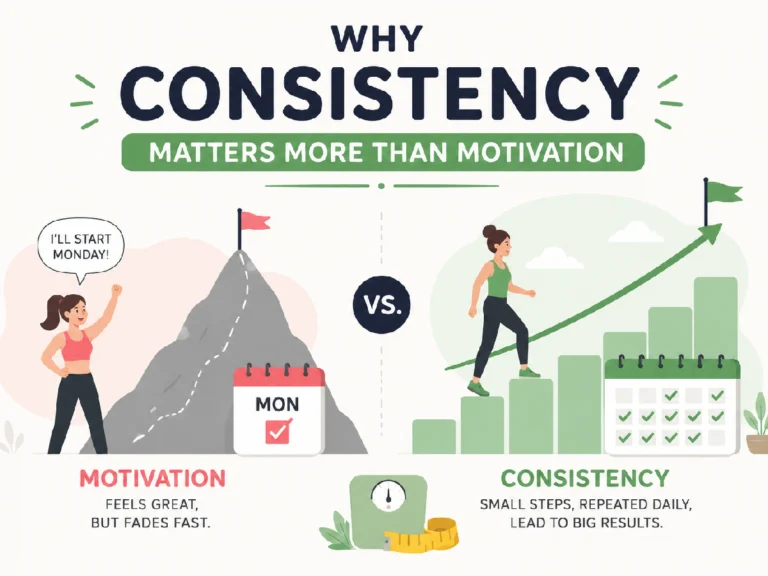
Motivation can feel extremely powerful at the beginning of a weight loss journey, but it is not reliable enough to sustain long-term progress. Stress, emotional pressure, poor sleep, work demands, and fatigue can all reduce motivation quickly.
Health organizations such as the Centers for Disease Control and Prevention emphasize that long-term weight management depends more on sustainable lifestyle habits than temporary bursts of inspiration or extreme effort.
Motivation naturally changes from day to day, which is why relying on it alone often creates inconsistency. Sustainable progress usually happens when healthy routines continue regardless of emotional energy levels.
This is why systems, habits, and routines become more valuable than temporary enthusiasm. Healthy behaviors become easier to maintain when they are based on structure instead of emotional intensity.
Creating A Structure Other Than Waiting To Be Motivated
It becomes easier to stay consistent when habits continue without depending on whether you “feel motivated” that day. Building systems around routines instead of emotions creates more stability and less pressure.
Examples of helpful structures may include:
- Scheduled meal times
- Pre-prepared meals
- Planned grocery shopping
- Regular sleep routines
- Simple exercise schedules
These systems reduce dependence on emotional energy and make healthy decisions feel more automatic during stressful periods.
The Role Of Maintenance During Busy Periods
Not every day must produce visible progress. During highly stressful or demanding periods, maintaining your current habits and avoiding regression can already be considered success.
Busy periods are often better suited for maintenance rather than aggressive improvement. Trying to push extremely hard during periods of exhaustion usually creates burnout and inconsistency.
Maintenance habits may include:
- Eating balanced meals
- Avoiding overeating
- Staying lightly active
- Protecting sleep quality
- Continuing basic routines
This approach protects the progress you have already built and makes it easier to continue improving once stress levels decrease again.
Maintenance Prevents Regression
A maintenance mindset prevents the cycle of constantly making progress, losing it during stressful periods, and restarting from the beginning repeatedly.
Instead of completely abandoning routines during busy weeks, you focus on preserving stability. This reduces long-term setbacks and keeps healthy behaviors active even when improvement temporarily slows down.
Maintenance supports consistency because it keeps momentum alive instead of forcing complete restarts after every stressful phase.
The Reason Why Fast Recovery Strengthens Consistency
Every long-term weight loss journey includes interruptions, mistakes, and difficult periods. What matters most is not avoiding disruptions completely, but how quickly you return to healthy routines afterward.
Fast recovery prevents temporary setbacks from becoming permanent habits. Returning to balanced meals, movement, and structure quickly helps protect momentum and consistency.
This recovery-focused mindset reduces emotional overeating and prevents guilt-driven cycles that often follow difficult days.
Healthy progress becomes more stable when setbacks are treated as temporary situations instead of personal failures.
Recovery Builds Confidence
Over time, recovering quickly from setbacks builds confidence because you begin trusting your ability to handle disruptions without completely losing control of your progress.
This confidence is important because it reduces fear around mistakes. Instead of feeling defeated after difficult days, you learn that you can always return to your routines.
Repeated recovery strengthens:
- Self-trust
- Emotional stability
- Consistency
- Long-term confidence
This mindset makes healthy habits feel more sustainable and realistic over time.
The Reason Why Simple Is Better Than Intense When Stressed
When people feel they are falling behind, they often react by increasing effort, adding stricter rules, or trying to “work harder.” Unfortunately, this approach usually becomes difficult to maintain during stressful periods.
Stress already drains mental and physical energy. Adding more complexity often increases exhaustion instead of improving consistency. Simpler routines are usually far more effective because they reduce effort while still protecting healthy habits.
Simple approaches may include:
- Repeatable meals
- Short walks
- Flexible exercise routines
- Easier meal preparation
- Basic eating structure
Reducing complexity helps healthy habits remain realistic even when time and energy are limited. Sustainable progress usually depends more on repeatability than intensity.
Final Thoughts
Staying consistent with weight loss during a busy life is not about becoming perfectly disciplined or following flawless routines every day. It is about building a system that fits naturally into your real life and can adjust when circumstances change.
When habits are simple, repeatable, and realistic, they become easier to maintain even during stressful periods. Healthy routines should reduce stress, not increase it.
Long-term success does not require perfect conditions. It requires a practical approach that continues working during ordinary, imperfect days because those are the days that shape your long-term results the most.
Sustainable weight loss usually comes from consistency, flexibility, and quick recovery rather than extreme effort or temporary motivation. When healthy habits fit realistically into daily life, progress becomes easier to maintain over time.