Table of Contents
Dining out is not a common thing; it is a daily routine of many busy adults. Meetings at work occur in restaurants, family time tends to involve going out to eat, and after a hard day, it may not even be realistic to cook at home.
But this brings on a general irritation.
You are sitting at a restaurant and read the menu and suddenly become confused. You ask yourself whether anything is suitable to your aims. You consider getting something light but you do not know whether you will be satisfied or not. Simultaneously, you also know that the restaurant food usually consists of large portions, hidden oils and additional calories you have no control over.
Over time, this uncertainty becomes exhausting. If you have ever thought what to eat for weight loss when You Eat Out Often, you are not alone.
The good news is that: There is no need to avoid restaurants in order to lose weight. What you want is a straightforward, repeatable method of making more sound decisions, without overthinking every meal or feeling restricted in social situations.
The Reason Why Eating Out is More Difficult Than Eating at Home
To learn how to control restaurant meals, one should first of all know why they seem more challenging.
Naturally, you are in control at home. You will determine how much oil you consume, the size of your portions and what you include in your meals. This simplifies keeping in touch with your objectives.
Restaurants work differently because the environment itself is designed to encourage eating. Meals are often made to taste richer and more satisfying by adding extra butter, oil, sugar, sauces, and sodium. Portions are also usually much larger than what most people would prepare at home. Research from nutrition and behavioral health experts shows that larger portions can increase calorie intake without people realizing it.
Another important difference is convenience. At home, you usually pause and think before getting another serving. In restaurants, food keeps arriving automatically, which makes overeating easier.
Understanding these differences matters because it helps you approach restaurant eating with awareness rather than guilt. The problem is not lack of discipline. The environment simply makes eating more effortless and tempting.
The Restaurant Environment Works Differently
Restaurants are carefully designed to make food more enjoyable. The smell of freshly prepared meals, attractive presentation, warm lighting, and even music can influence how much people eat. Many restaurant meals are also engineered to be highly palatable through combinations of fat, sugar, and salt.
This does not mean restaurants are unhealthy by default, but it does explain why portion control becomes harder in these settings.
Common restaurant factors that encourage overeating include:
- Large portion sizes
- Unlimited refills or complimentary sides
- Highly processed sauces and dressings
- Fast access to appetizers and desserts
- Social distractions during meals
These factors can make people eat beyond their natural fullness cues. Being aware of them helps you make more intentional decisions without becoming overly restrictive.
Social Eating Changes Behavior
This is when you are eating at a table with others. You are conversing, hearing, and making the most of the moment. This is a good experience but, at the same time, it may cause you to eat more than your usual habit since your focus is not on one thing.
Studies on eating behavior show that people tend to eat more in social environments because meals last longer and distractions reduce awareness of fullness. Sometimes people also match the eating habits of the group around them without realizing it.
However, social eating is not something you need to fear. It can actually become helpful when approached with more awareness.
Simple habits that may help include:
- Eating more slowly during conversations
- Taking short pauses between bites
- Checking your hunger midway through the meal
- Focusing on enjoyment rather than speed
The goal is not to become overly controlled during social events. It is simply to stay mindful enough that you can enjoy the meal without unintentionally overeating.
Why It Is Not a Willpower Issue
It should be noted that it is not a question of absence of discipline. These environments are designed to encourage eating. The answer is not to fight it all, but to come up with awareness and simple tricks that can work under these circumstances.
Many people blame themselves after overeating at restaurants, but this mindset often creates unnecessary guilt. Human eating behavior is strongly influenced by environment, convenience, stress, emotions, and social settings. This is why even highly disciplined people can struggle with portion control in restaurants.
Instead of relying only on willpower, it is more effective to build systems and habits that make decisions easier.
Examples include:
- Looking for protein first on the menu
- Eating slowly
- Deciding beforehand whether you want dessert
- Stopping when comfortably satisfied
These habits reduce mental exhaustion and support more consistent progress over time.
The Biggest Mistake that People Commit When Eating Out
In an effort to keep up with the times, most individuals will seek to reduce their consumption by ordering the least or what seems healthiest on the menu.
On the one hand, this may be a logical conclusion; however, on the other hand, it can backfire.
Many restaurant meals that appear “healthy” may still leave you physically unsatisfied because they are too small or unbalanced. This can increase cravings later in the day and may lead to overeating afterward.
A better approach is focusing on meals that provide satisfaction, balance, and consistency rather than simply trying to consume the fewest calories possible. Sustainable weight loss becomes easier when meals are enjoyable and filling enough to support your energy and hunger levels.
Why Eating Too Light Backfires
Small or unbalanced meals might not be satisfactory enough. This will consequently cause hunger at a later time in the day which subsequently may result in snacking, craving or eating excessively in the next meal.
This pattern is extremely common among busy adults who attempt to “save calories” during restaurant meals. Unfortunately, severe restriction often increases mental focus on food and can make cravings stronger later.
Meals that are too low in protein or fiber are usually less satisfying because they digest quickly and do not provide long-lasting fullness.
Signs that a meal may be too light include:
- Feeling hungry shortly after eating
- Constant thoughts about snacks
- Low energy levels
- Strong cravings later at night
A more balanced meal often supports better appetite control and helps prevent the cycle of restriction followed by overeating.
The Real Goal of a Restaurant Meal
One should not attempt to eat as little as possible; rather he or she should aim at eating well enough to be satisfied without consciously overeating.
This change of mind is significant since it is concerned with sustainability and not restriction.
A successful restaurant meal is one that allows you to enjoy the experience while still feeling physically comfortable afterward. When people constantly try to eat the absolute minimum, restaurant dining can begin to feel stressful and exhausting.
The real objective is balance.
A good restaurant meal should ideally:
- Leave you comfortably full
- Support stable energy levels
- Reduce cravings later
- Feel enjoyable socially
- Fit realistically into your lifestyle
This approach is much easier to maintain long term compared to rigid dieting behaviors.
A Better Way to Choose Meals at Restaurants
Rather than enquiring about the friendliness of a meal to a diet, the question to ask is:
Is this a balanced meal?
This question immediately changes how you look at restaurant food. Instead of labeling foods as “good” or “bad,” you begin evaluating whether the meal contains enough protein, fiber, and overall satisfaction.
Balanced eating is often more sustainable because it focuses on nourishment rather than restriction. Nutrition experts commonly recommend building meals around foods that support fullness and energy levels.
When choosing restaurant meals, look for combinations that include:
- A source of protein
- Vegetables or fiber-rich foods
- Moderate carbohydrates
- Reasonable portion sizes
This framework works in most restaurants without requiring calorie counting or extreme food rules.
What a Balanced Meal is Like
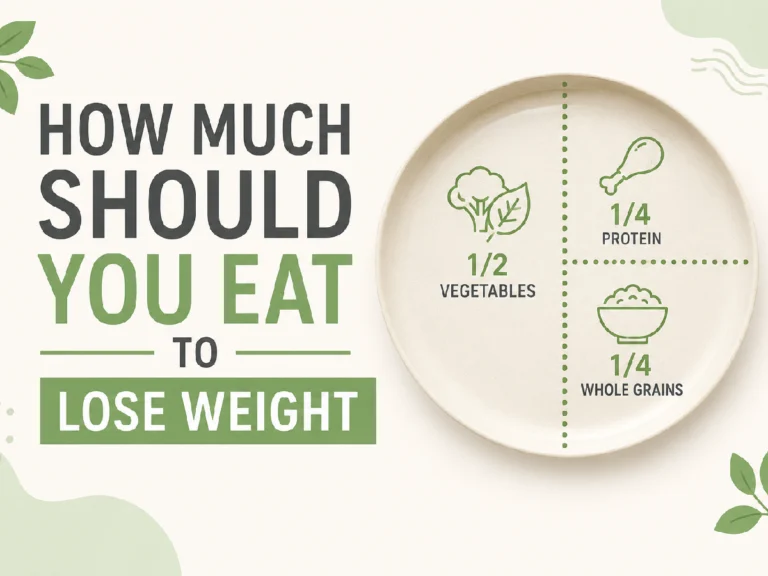
A healthy meal in a restaurant will usually contain a source of protein, vegetables or fiber of some sort, and a moderate amount of carbohydrates. This mix assists in the formation of satisfaction and maintenance of portions in check.
Protein helps increase fullness, while fiber-rich foods support digestion and appetite control. Moderate carbohydrates provide energy and make meals more satisfying.
Balanced restaurant meals may include:
- Grilled chicken with rice and vegetables
- Salmon with potatoes and salad
- Burrito bowls with beans and protein
- Omelets with fruit and toast
This approach allows meals to remain enjoyable while still supporting long-term weight management.
Why Balance Prevents Overeating
Your body will be more satisfied when your meal has the right components. This will decrease the chances of having to store up more food in future where the excess calories are usually stored.
Meals that combine protein, fiber, and moderate carbohydrates tend to support steadier energy levels and stronger fullness signals. This makes it easier to stop eating naturally instead of relying entirely on self-control.
Highly processed meals that are mostly refined carbohydrates may increase hunger again quickly, even when they contain many calories.
Balanced meals can help by:
- Reducing cravings later
- Supporting better portion control
- Improving fullness
- Stabilizing energy levels
- Making eating patterns more consistent
This is one reason why balanced eating is often more sustainable than aggressive dieting approaches.
The Reason Why It is Best to Start With Protein
When you desire one simple rule which will work in nearly all restaurants, it is the following:
Start by identifying the main source of protein in the meal.
Protein is one of the most filling nutrients and plays a major role in appetite control. Beginning with protein simplifies restaurant decision-making because it creates structure immediately.
Instead of getting overwhelmed by large menus, you can first ask:
“What is the main protein source here?”
Once you answer that question, building the rest of the meal becomes easier. This strategy also helps reduce impulsive ordering and supports better satisfaction after meals.
Why Starting with Protein Simplifies Everything
Protein-rich foods generally take longer to digest and may help reduce hunger after eating. This makes them especially useful in restaurant settings where large portions and tempting foods are common.
Examples of protein-rich options include:
- Chicken
- Fish
- Eggs
- Greek yogurt
- Tofu
- Beans
- Lean beef
When protein becomes the foundation of your meal, you are more likely to create balanced combinations naturally. This approach also removes some of the stress that comes from trying to analyze every calorie on the menu.
Simple systems are usually easier to repeat consistently.
The Role of Protein in Portion Control
Protein makes you feel fuller, and lessens the temptation to continue eating after your appetite is satisfied. It also reduces the rate at which you eat leaving your body time to notice when full.
Research consistently shows that protein supports satiety better than many highly processed foods. Meals with enough protein often feel more satisfying physically and mentally.
This matters because satisfaction plays a major role in long-term eating habits. When meals leave you satisfied, you are less likely to continue snacking later.
Benefits of protein-rich meals may include:
- Improved fullness
- Reduced cravings
- Better appetite control
- More stable energy levels
- Easier portion management
This is why many sustainable eating approaches emphasize protein intake.
Applied in Restaurants
Reading a menu, the first thing to look at is the major source of proteins which may be chicken, fish, eggs, tofu or lean meat. Having made up your mind about that, it becomes far simpler to construct the rest of your meal around it.
This will eliminate confusion and make decision making easier.
For example, once you select grilled salmon or chicken, you can then decide what vegetables or side dishes best complete the meal.
Helpful restaurant habits may include:
- Choosing grilled instead of fried proteins
- Requesting dressings or sauces on the side
- Adding vegetables where possible
- Avoiding unnecessary extras when already satisfied
These small adjustments support balance without making dining stressful or restrictive.
Portion Size: The Real Challenge in Restaurants
Though you have selected a balanced meal, the size of the portion may still be a problem.
Restaurant portions are often much larger than what the body needs in one sitting. Many restaurants intentionally serve oversized meals because larger portions create a feeling of value for customers.
The challenge is that people naturally tend to eat more when more food is placed in front of them. This is a well-documented behavior in nutrition research.
Large portions may include:
- Oversized pasta dishes
- Large baskets of fries
- Multiple servings of rice or bread
- Sugary beverages with free refills
Learning how to manage portions without feeling deprived is one of the most valuable restaurant skills for long-term weight management.
Why Restaurant Portions Are Bigger
Portions served in restaurants are usually bigger than your body requires in one sitting. The reason behind this is to add value and satisfaction, yet results in overeating.
Many restaurants compete through portion size because customers often associate larger meals with better deals. Unfortunately, this can normalize overeating over time.
Another issue is that restaurant meals are frequently served all at once, making it harder to recognize natural fullness signals before overeating occurs.
Understanding portion inflation helps you make more mindful decisions without needing to avoid restaurants entirely.
Learning to Stop When Satisfied
It is one of the best habits that you can develop, to stop when you feel satisfied, even though there may still be some food on your plate.
This can be quite uncomfortable initially, particularly when you are accustomed to doing everything, but with time, it becomes less challenging.
Stopping when satisfied does not mean you must leave large amounts of food behind every time. It simply means recognizing when your hunger has been addressed.
Helpful reminders include:
- Fullness takes time to register
- You can save leftovers
- Comfort matters more than cleaning the plate
- Another meal will always be available later
This skill becomes easier with practice and supports healthier eating patterns long term.
Simple Change of Mindset
You need not partake everything that is served. You need just to consume enough so as to satisfy your needs.
This mindset shift can significantly reduce stress around restaurant eating. Many people unknowingly continue eating simply because food remains on the plate.
Instead of viewing leftovers negatively, it can help to view them as flexibility for another meal later.
A healthier perspective includes:
- Eating until comfortably satisfied
- Prioritizing enjoyment over excess
- Avoiding guilt around leftovers
- Focusing on long-term habits rather than one meal
These small mental changes often create more sustainable progress than strict dieting rules.
Slow Eating Makes Restaurant Foods Easier to Handle
How many times you eat is very important in the quantity you eat.
Restaurant meals are often eaten quickly because people arrive very hungry or become distracted during conversations. However, eating too fast can make it difficult for the body to recognize fullness in time.
Slower eating helps improve awareness of satisfaction and allows meals to feel more enjoyable. Research also suggests that people who eat more slowly may naturally consume fewer calories during meals.
The goal is not to eat unnaturally slowly. It is simply to reduce rushing and become slightly more aware of the eating experience.
Why Slower Eating Helps
By eating slowly, your body can take time to notify of fullness. This will help one to stop at the appropriate moment rather than filling the plate to the full.
Fast eating often leads to consuming large portions before fullness signals fully appear. Slowing down helps the digestive system and brain communicate more effectively.
Simple habits that encourage slower eating include:
- Putting utensils down between bites
- Taking sips of water
- Chewing thoroughly
- Pausing during conversations
These behaviors may seem small, but over time they can improve portion awareness significantly.
How Social Settings Can Work in Your Favor
It is interesting that social meals can serve to make you eat more slowly. Pauses are part and parcel of conversations, and they enable your body to clear the intake.
Being a little bit more conscious (setting your fork down between bites or taking a sip of water) will help you better control your portion without feeling constrained.
Instead of viewing social dining as a problem, it can help to use the slower pace of conversation as an advantage.
When meals become more relaxed, people often experience:
- Better fullness awareness
- Improved enjoyment of food
- Reduced stress around eating
- More balanced portion control
This creates a healthier and more enjoyable restaurant experience overall.
Controlling Starters, Bread, and Extras Stress-Free
Most restaurant dishes are served with an extra such as bread, appetizers or chips, laid out on the table, before you have even ordered it.
These foods are usually eaten automatically because they are immediately available and highly tempting. Many people consume a significant number of calories before the main meal even arrives.
However, there is no need to completely avoid these foods. The goal is awareness and moderation rather than restriction.
Managing starters becomes easier when you make intentional decisions instead of eating mindlessly throughout the meal.
Why These Foods Are So Simple to Overeat
Since these foods are all ready to eat, they are automatically consumed, without much thinking. You can easily have eaten a lot of calories by the time your main meal comes.
Foods like chips, bread baskets, fried appetizers, and dips are often designed to be highly rewarding and easy to continue eating.
Additional reasons they are easy to overeat include:
- They are served before fullness develops
- They are shared socially
- They require little effort to eat
- Hunger is usually strongest before the meal arrives
Awareness alone can often reduce automatic overeating significantly.
A More Balanced Approach
There is no need that you should avoid these foods. Rather, be conscious of them. In case you decide to have some, take your time and observe when you lose interest in them.
The trick is not to eat automatically.
Moderation is often more sustainable than strict avoidance. Completely forbidding certain foods can increase cravings and feelings of restriction.
A balanced strategy may include:
- Taking a smaller portion first
- Sharing appetizers
- Eating slowly
- Prioritizing foods you genuinely enjoy
- Stopping when satisfied
This allows flexibility while still supporting long-term progress.
Handling Drinks Without Disrupting Progress
Beverages can be an important source of calorie consumption particularly when they contain sugar or alcohol.
Many people focus heavily on food choices while overlooking liquid calories. However, drinks can contribute a large amount of calories without creating much fullness.
Restaurant beverages are often served in large portions and may contain hidden sugars, syrups, or alcohol.
This does not mean drinks must be eliminated entirely. Awareness and moderation are usually more realistic and sustainable approaches.
Why Drinks Add Quickly
Drinks do not provide the same fullness as solid food does. This renders it simple to take in additional calories and not feel full.
Sugary drinks and alcohol can increase total calorie intake significantly while doing little to reduce hunger afterward.
Common high-calorie restaurant drinks include:
- Soda
- Sweet tea
- Cocktails
- Milkshakes
- Sweet coffee beverages
Because liquids digest quickly, it becomes easier to consume excess calories unintentionally.
Making Intentional Choices
This does not imply that you have to do away with beverages entirely. Rather than deciding on the latter, you can predetermine how you would like to treat them, be it by reducing their number, selecting ones with lower calorie content or by swapping them with water.
Even little choices in this sphere can make a significant difference in the long run.
Helpful approaches may include:
- Alternating alcoholic drinks with water
- Choosing smaller portions
- Limiting sugary refills
- Drinking slowly
Small consistent habits often matter more than strict perfection.
What to Do After Eating Out
It is a cause of concern to many individuals after taking food in a restaurant, particularly when the scale rises the following day.
This temporary weight increase often causes unnecessary stress. However, short-term changes on the scale are not always body fat gain.
Restaurant meals commonly contain more sodium and carbohydrates, which can temporarily increase water retention. This may make body weight fluctuate for a day or two.
Understanding this helps reduce panic and prevents unhealthy reactions after eating out.
Understanding Temporary Weight Changes
Temporary weight gain may be attributed to water retention caused by increased sodium and carbohydrate levels, rather than actual weight gain.
Carbohydrates increase glycogen storage, and glycogen naturally holds water in the body. Sodium also increases fluid retention temporarily.
Other factors affecting short-term scale changes include:
- Larger meal volume
- Alcohol intake
- Digestion
- Sleep quality
True fat gain happens gradually over time, not from one restaurant meal alone.
The Negative Consequences of Overcorrecting
Attempting to even out this by failing to eat or severely cutting down on the following day will tend to cause more hunger and another overeating spurt.
Extreme compensation often creates an unhealthy cycle of restriction and overeating. This pattern is difficult to sustain and may damage your relationship with food.
Instead of punishing yourself after eating out, focus on returning to balanced habits as quickly as possible.
Consistency works better than extreme reactions.
The Better Approach
Just return your normal eating habit. Regularity is better than responsiveness.
The Centers for Disease Control and Prevention suggest that sustainable weight management is more dependent on long-term habits than short-term perfection.
Helpful recovery habits include:
- Drinking enough water
- Eating balanced meals
- Returning to regular meal timing
- Staying physically active
- Getting adequate sleep
One restaurant meal does not determine your progress. Repeated habits over time matter far more.
When You Dine Out Often, Develop a System to Repeat
To some hectic adults, going to restaurants is not a rare occurrence; it is a routine.
Because of this, the goal should not be perfection. The goal should be creating simple systems that make healthy decisions easier and repeatable.
People who successfully manage weight while eating out often usually rely on routines instead of constant motivation. These routines reduce stress and make healthy eating feel more automatic.
The simpler the system, the easier it becomes to maintain long term.
Concentrate on Consistency, not Perfection
The objective in this scenario is to come up with a list of go-to options that are reliable. They are meals that you are confident will fill you up without causing excesses to eat subsequently.
Perfection is unrealistic in everyday life. Social events, travel, work dinners, and celebrations will always happen.
Consistency matters more because repeated balanced choices over time produce better long-term results than short periods of extreme dieting.
Examples of consistent habits include:
- Prioritizing protein
- Eating slowly
- Managing portions
- Staying aware of liquid calories
- Returning to normal eating after indulgent meals
These habits are practical enough to maintain for years.
Developing Personal Defaults
With time, you will start noticing what foods make you feel even, and what foods cause cravings or overeating. With this knowledge, it is possible to create a system that fits your daily schedule.
Personal defaults are meals or habits that consistently work well for you.
Examples may include:
- Burrito bowls with protein and vegetables
- Grilled chicken with rice
- Salmon with salad
- Omelets with fruit
- Sushi with miso soup
Having reliable options reduces decision fatigue and makes healthy eating easier during busy schedules.
Conclusion
Dining out need not be incompatible with losing weight. It can be a controllable and even fun aspect of your day when taken in the proper attitude.
Once you are concerned with well-balanced meals, emphasize protein, remember about portions, and remain consistent after that, restaurants cease to become an obstacle.
They are incorporated into a system that assists you instead of being counterproductive.
The most important thing to remember is that sustainable weight loss is not built through perfection or avoiding real life. It is built through repeatable habits that fit naturally into your lifestyle.
Restaurants will always be part of modern life for many busy adults. Learning how to navigate them with awareness, balance, and flexibility allows you to enjoy both your health goals and your social life without constantly feeling restricted.
To lose weight, it is not about escaping the real life but how to do so.